Tooth pain has a way of getting your attention. Sometimes it fades after a day or two. Other times, it lingers, worsens, and starts interfering with how you eat, sleep, or focus at work. When pain centers deep within a tooth, it may indicate an pulp infection. That is when a root canal treatment often becomes necessary.
Many patients fear root canals. In reality, modern dentistry makes the procedure straightforward and comfortable. The key lies in recognizing the warning signs early and seeking care before the infection spreads.
Understanding Root Canal Treatment
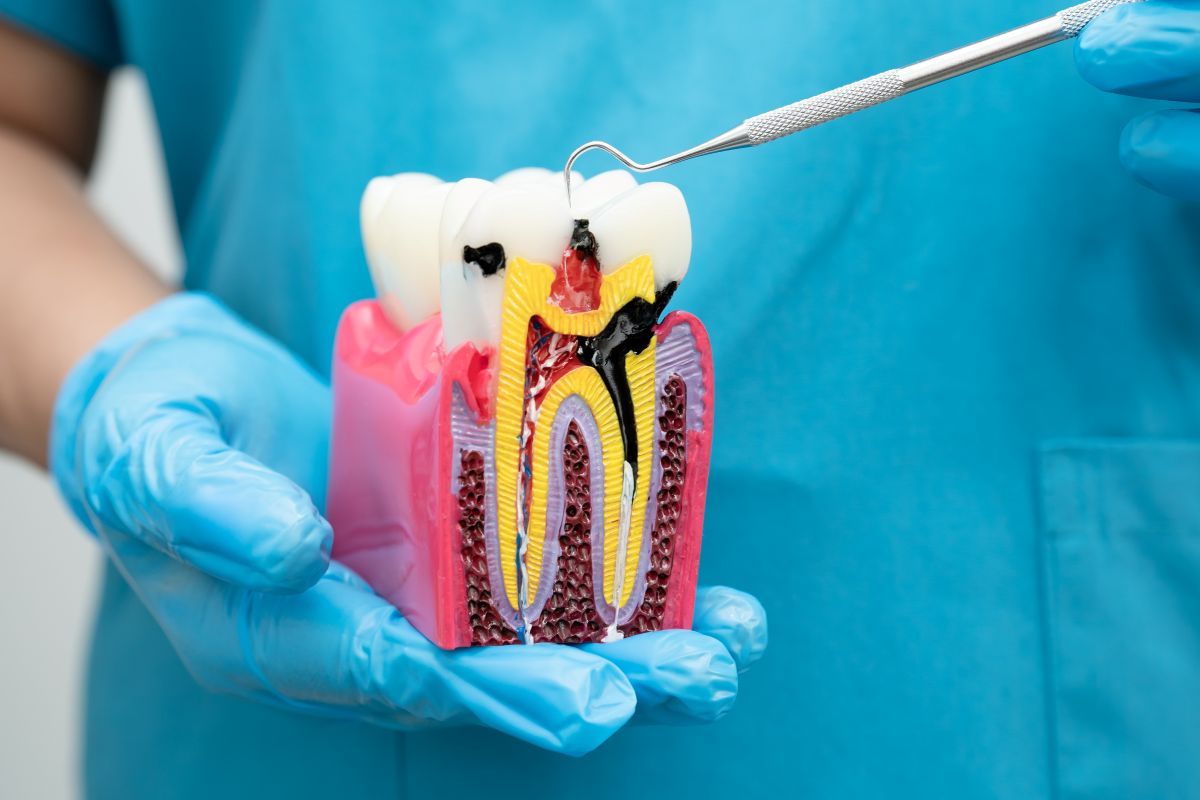
Inside every tooth sits soft tissue called pulp. It contains nerves and blood vessels that help the tooth develop. Once the tooth fully matures, it no longer needs that pulp to stay functional. If bacteria reach the pulp through deep decay, cracks, or trauma, infection develops.
A root canal treatment removes the infected tissue, cleans the inside of the tooth, and seals it. This process relieves pain and saves your natural tooth. In some cases, untreated dental infections can even affect surrounding structures and bite balance. While most patients will never need jaw alignment surgery, severe or long-standing oral issues can sometimes contribute to broader alignment concerns. Addressing infection early protects both your tooth and overall oral health.
Common Signs You Should Not Ignore
Your body gives clues when something feels wrong. Here are the most common signs that may indicate you need a root canal treatment.
Persistent Tooth Pain
Ongoing pain that does not go away ranks as one of the clearest warning signs. The discomfort may feel sharp, throbbing, or deep. It may worsen when you chew or apply pressure. If pain wakes you up at night or keeps returning, do not ignore it.
Sensitivity to Hot or Cold
A quick twinge when drinking iced water does not always signal trouble. However, lingering sensitivity that lasts several seconds after exposure often indicates nerve involvement. If hot coffee or cold foods trigger lasting discomfort, infection could be present.
Swollen or Tender Gums
Swelling near a specific tooth may point to an abscess. You might notice a small bump on the gum that resembles a pimple. This bump can release pus and cause a bad taste in your mouth. Gum tenderness around one area should always prompt a dental visit.
Tooth Discoloration
An infected tooth can darken over time. When the pulp becomes damaged, the tooth may turn gray or brown. This color change often indicates that the inner tissue no longer receives adequate blood flow.
Cracked or Chipped Tooth
Injuries create openings where bacteria can enter. Even small cracks that seem minor can allow infection to develop. If you recently damaged a tooth and now feel pain or sensitivity, seek evaluation right away.
Prolonged Sensitivity to Pressure
If biting down causes discomfort that does not fade, inflammation may have reached the root. Pain while chewing often signals that the infection has extended beyond the surface.
What Happens If You Wait?
Dental infections rarely resolve on their own. Without treatment, bacteria can spread to the surrounding bone and tissue. You may experience increasing pain, facial swelling, or fever. In severe cases, infection can enter the bloodstream.
Delaying care also reduces the chance of saving the tooth. Acting early keeps treatment simpler and recovery smoother.
What to Expect During Treatment
Root canal treatment typically requires one or two visits. Your dentist numbs the area completely, so you stay comfortable. After removing the infected pulp, they clean and disinfect the canal. The tooth then receives a filling and, often, a crown to restore strength.
Most patients return to normal activity the next day. Mild soreness may occur, but it improves quickly.
How to Reduce Your Risk
While not every case can be prevented, you can lower your risk with consistent care:
• Brush twice daily with fluoride toothpaste
• Floss every day
• Schedule routine dental exams and cleanings
• Address cavities promptly
• Wear a mouthguard during sports
Small habits make a big difference over time.
Ready for Relief? Visit Our Dental Office in South Elgin
Tooth pain should never control your life. If you notice any of these warning signs, the team at Spring View Dental is here to help. We provide careful evaluations and clear guidance so you understand every step of your care.
Do not wait for discomfort to worsen. Visit our South Elgin office today and let us restore your comfort and confidence. Call today to schedule your appointment and take the first step toward lasting relief.
FAQs About Root Canal Treatment
Does a root canal hurt?
Most patients feel relief after the procedure, not pain. Modern numbing techniques keep you comfortable during treatment. Mild soreness afterward usually fades within a few days.
How long does a root canal take?
Treatment typically requires 1 to 2 visits, depending on the severity of the infection. Each visit may last about ninety minutes. Your dentist will explain the timeline clearly.
Will I need a crown afterward?
In many cases, yes. A crown protects the treated tooth and restores strength. It helps prevent future fractures and keeps your bite balanced.
Can I avoid extraction with a root canal?
Yes. The goal of root canal treatment is to save your natural tooth. Preserving natural teeth supports better chewing function and long-term oral health.
Can children or teens need a root canal?
Yes, especially after deep cavities or dental injuries. Pediatric root canal procedures can save developing teeth and maintain proper alignment. Early intervention supports healthy growth and long-term oral stability.