Tooth pain can interrupt your sleep, meals, and even your mood. When that pain comes from deep inside the tooth, it may be a sign of infection or an abscess. This is where modern dentistry steps in with a proven solution that saves your natural tooth and relieves discomfort.
Root canal therapy is not something to fear. It is a common dental procedure that focuses on stopping infection, protecting your smile, and helping you feel better faster.
Let us break it down in a clear, simple way, so you know what to expect and when to take action.
How Root Canal Treatment Works
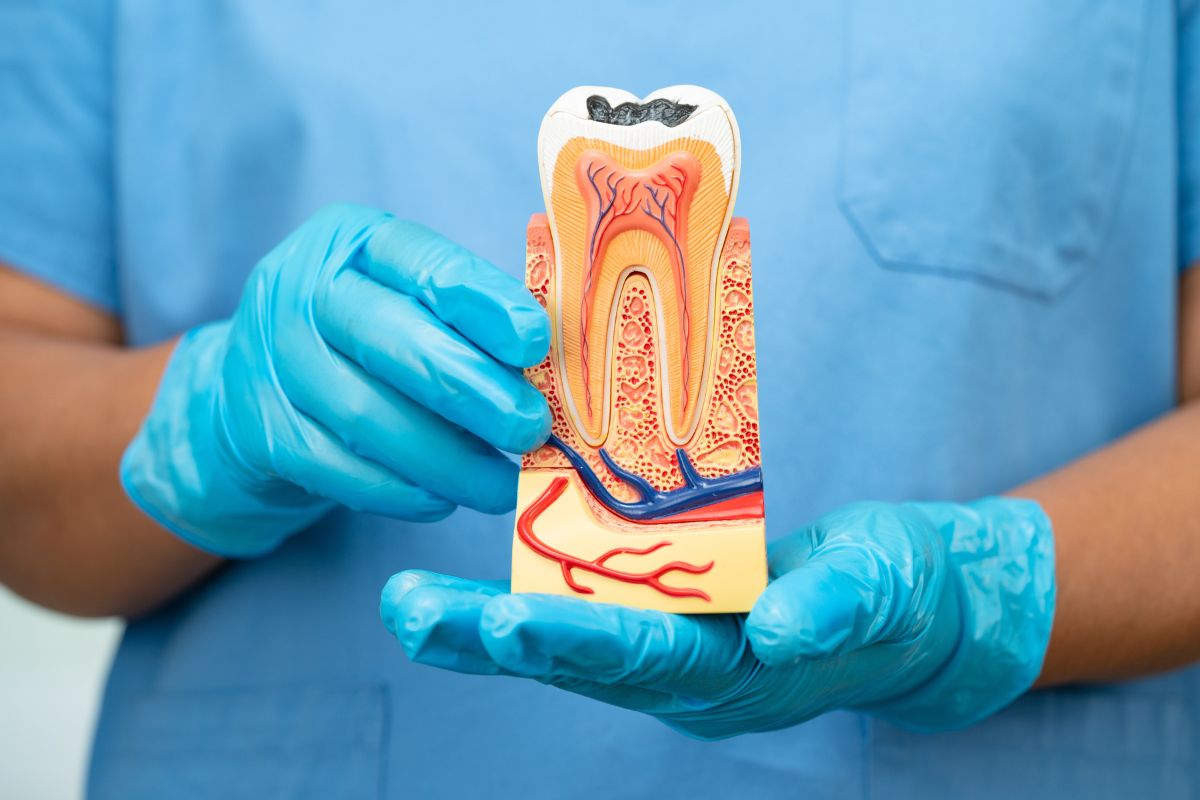
A root canal treatment is a dental procedure used to treat infection inside a tooth. Inside every tooth is soft tissue called pulp. When this pulp becomes infected due to decay, injury, or cracks, it can cause pain and swelling.
During treatment, the dentist carefully removes the infected pulp, cleans the inner tooth, and seals it to prevent future infection. The goal is to save the tooth rather than remove it.
What Causes Tooth Infection or Abscess
An infected or abscessed tooth usually develops over time. It rarely happens overnight. Some of the most common causes include:
• Deep cavities that reach the inner tooth
• Cracked or chipped teeth that allow bacteria inside
• Old dental fillings that no longer seal properly
• Repeated dental procedures on the same tooth
• Gum disease that spreads bacteria to the tooth root
When bacteria reach the pulp, infection builds up and may lead to an abscess, which is a pocket of pus near the root.
What Happens During the Procedure
Many people worry about discomfort, but modern techniques make the process smooth and manageable.
Here is what usually happens:
-
The area is numbed to keep you comfortable
-
A small opening is made in the tooth
-
Infected pulp is removed carefully
-
The inside of the tooth is cleaned and shaped
-
The tooth is sealed and protected
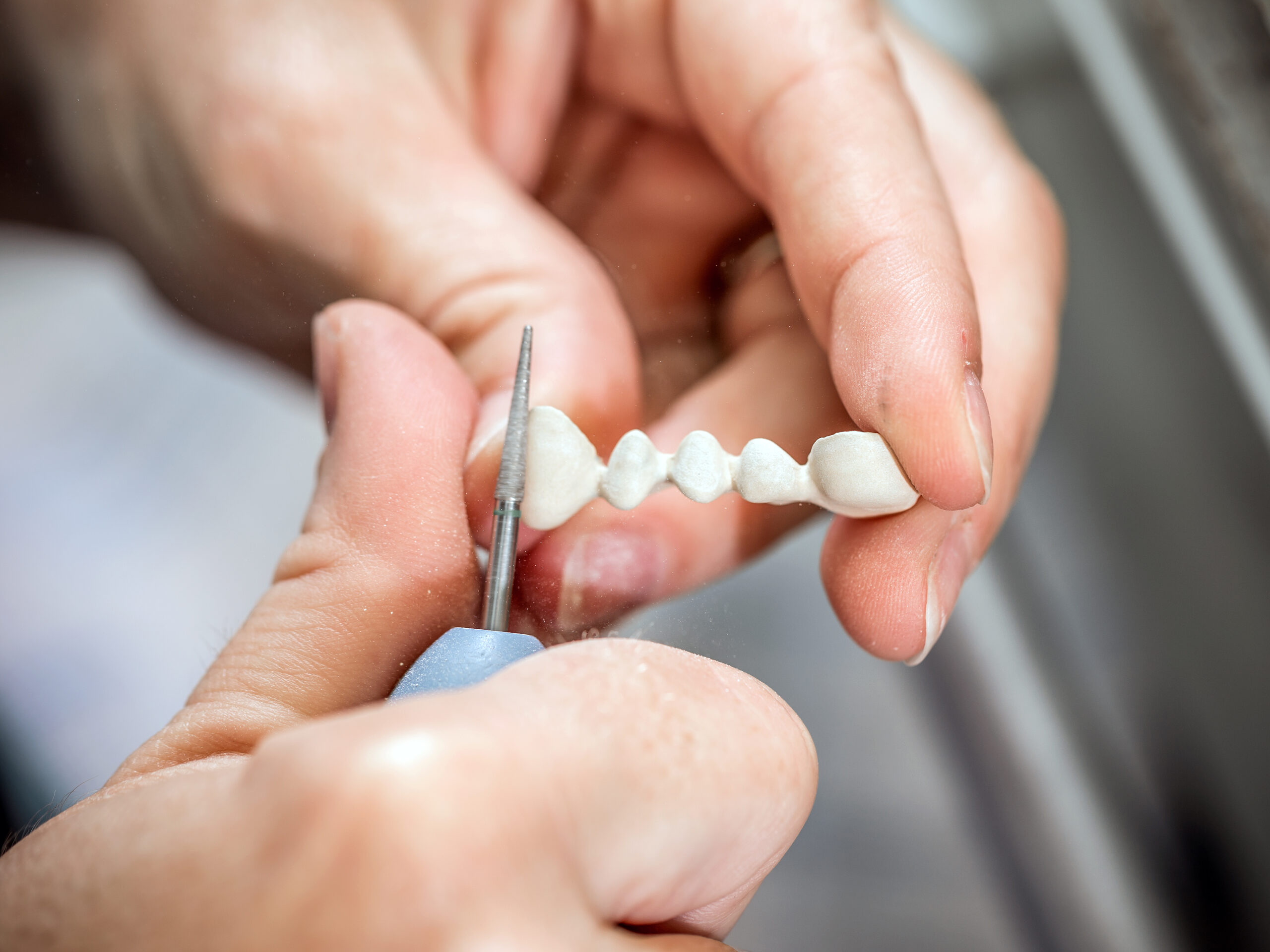
In most cases, a crown is placed later to restore strength and appearance.
Warning Signs You May Need Immediate Dental Care
The symptoms of a dental abscess may start mild but can worsen quickly. It is important to seek prompt dental care if you notice any of the following:
• Persistent throbbing or sharp tooth pain that spreads to the jaw or ear
• Fever, chills, or a feeling of overall weakness
• Swelling in the face or noticeable swelling in the gums
• A bad taste in the mouth or ongoing bad breath
• A small raised bump on the gums near the affected tooth
Putting off treatment can allow the infection to spread, leading to more complex procedures and a longer recovery period.
Recovery and Aftercare Tips
After treatment, mild soreness is normal for a few days. Most patients return to normal routines quickly.
Helpful aftercare tips include:
• Avoid chewing on the treated tooth until restored
• Maintain gentle brushing and flossing
• Take medications as prescribed
• Attend follow-up visits if recommended
Once healing is complete and the tooth is restored, it should function like any other tooth.
How Long Does a Root Canal Last
With proper care, a treated tooth can last many years. Good oral hygiene, regular dental checkups, and avoiding habits like teeth grinding all help extend the life of the tooth.
Think of it as a second chance for your natural smile.
Your Path to Trusted Dental Care in South Elgin, IL
Not all dental offices are equipped to handle advanced endodontic care. So it is essential to find a provider who offers comprehensive root canal treatment in South Elgin, supported by clinical precision and a thorough understanding of the biological complexities involved. Whether it is your first-time abscess or a retreatment case, timely and accurate intervention can mean the difference between saving and extracting the tooth.
At Spring View Dental, patient comfort and proper treatment always come first. If you are experiencing tooth pain or signs of infection, do not wait for it to worsen. Contact us today in South Elgin, IL, and take the next step toward relief and long-term oral health.
FAQs About Root Canal Treatment
Does a root canal hurt?
The procedure is done under anesthesia, so most patients feel little to no pain. Relief often follows soon after treatment.
How many visits does it take?
Most treatments are completed in 1 or 2 visits, depending on the severity of the infection.
Can I eat after a root canal?
You should wait until the numbness wears off. Soft foods are best until the tooth is fully restored.
Is an abscess dangerous if untreated?
Yes. An untreated abscess can spread infection to other areas of the body and should be treated promptly.
Will I need a crown afterward?
In many cases, yes. A crown helps protect the treated tooth and restore full function.
How do I know if the infection is gone?
Symptoms usually fade quickly. Follow-up visits and imaging confirm healing.
Can a treated tooth get infected again?
It is rare, but possible if the tooth cracks or bacteria enter again. Good dental care lowers this risk.