Life in South Elgin moves at its own steady pace, from busy workdays to quiet evenings at home. But when tooth pain sets in, even the simplest routines can feel uncomfortable. Whether it’s a sudden sharp pain while eating or lingering sensitivity, it’s not something you can easily ignore.
In many cases, these symptoms may signal the need for a root canal. While it might sound overwhelming, root canal treatment is more common and more personalized than most people think. The approach can vary depending on whether the affected tooth is in the front or the back.
Understanding what to expect can help you act early, ease your concerns, and get back to your normal routine without ongoing discomfort.
What Is Root Canal Treatment?
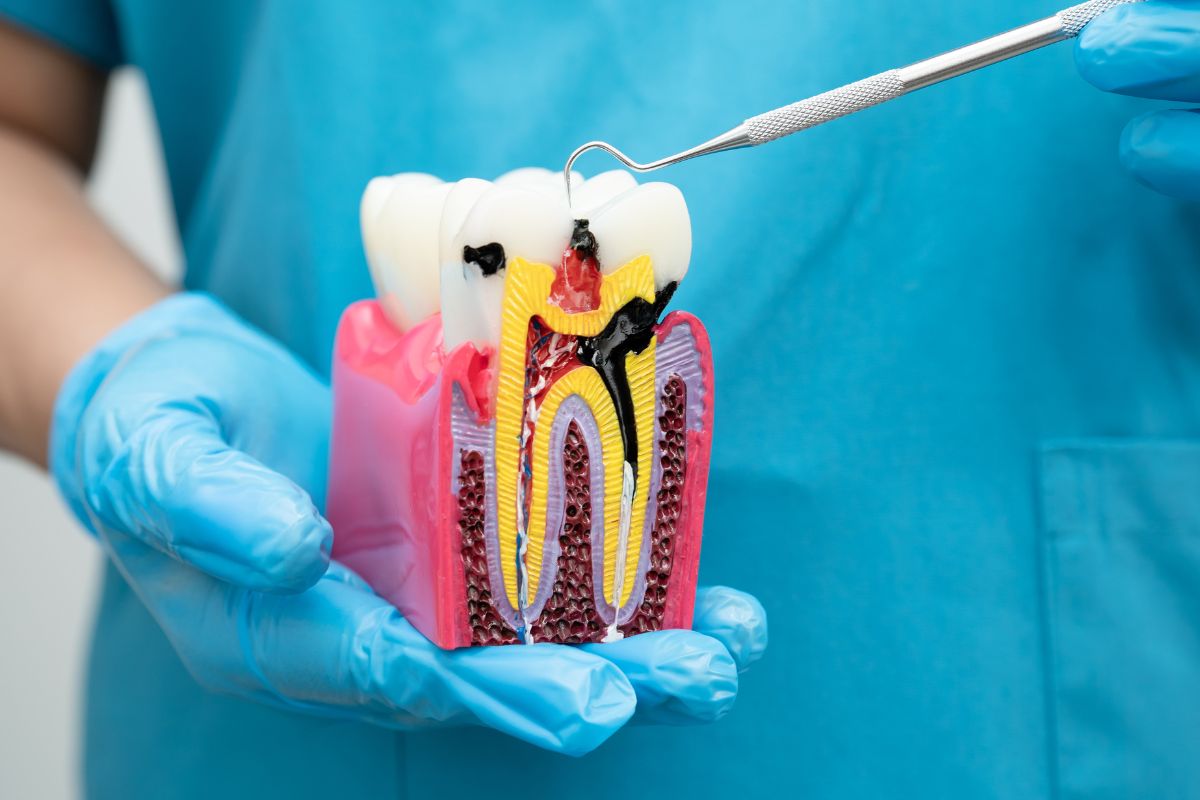
Root canal treatment is a procedure designed to remove infection from inside a tooth while preserving its natural structure. Beneath the enamel and dentin lies the pulp, which contains nerves and blood vessels. When this pulp becomes inflamed or infected due to decay, cracks, or injury, it can lead to significant pain.
During the procedure, your dentist carefully removes the infected pulp, cleans and disinfects the inner canals, and seals the tooth to prevent future issues. The goal is simple: relieve pain and save your natural tooth.
Why Tooth Structure Matters
Not all teeth are built the same, and that directly affects how root canal treatment is performed.
Front teeth (incisors and canines):
These teeth are designed for biting and cutting. They typically have a single root and one canal.
Molars and premolars:
Located at the back, these teeth handle grinding and chewing. They often have multiple roots and can contain two to four canals.
This structural difference is the key reason why root canal treatment varies between front teeth and molars.
Root Canal Treatment for Front Teeth
Simpler Anatomy
Front teeth usually have one straight canal, making the procedure more straightforward. This allows for easier cleaning and shaping during treatment.
Shorter Appointments
Because of their simplicity, root canal treatment for front teeth is often completed more quickly—sometimes in a single visit.
Comfortable Recovery
Most patients experience minimal discomfort after treatment. Any mild soreness typically fades within a short time.
Aesthetic Focus
Since front teeth are visible when you smile, maintaining their appearance is important. Depending on the condition of the tooth, your dentist may recommend a filling, bonding, or a crown to restore its natural look.
Root Canal Treatment for Molars
Complex Canal System
Molars often have multiple canals that may be curved or harder to locate. This makes the procedure more detailed and technique-sensitive.
Longer or Multiple Visits
Due to their complexity, molar root canal treatment may take longer or require more than one appointment to complete thoroughly.
Greater Bite Pressure
Molars handle most of your chewing force. After treatment, they are more vulnerable to fractures, which is why a dental crown is usually recommended to protect them.
Post-Treatment Sensitivity
It’s common to feel mild tenderness after a molar root canal, especially when chewing. This typically improves within a few days.
Signs You May Need a Root Canal
Whether it’s a front tooth or a molar, certain symptoms can indicate the need for treatment:
- Persistent tooth pain
- Sensitivity to hot or cold that lingers
- Swelling or tenderness in the gums
- Darkening of the tooth
- A small bump or pimple on the gums
If you notice any of these signs, it’s important to seek dental care promptly. Early treatment can prevent more serious complications.
Recovery and Aftercare Tips
Proper aftercare plays an important role in healing and protecting your treated tooth.
For front teeth:
Stick to softer foods and avoid biting directly into hard items like apples or crusty bread until the tooth is fully restored. Continue gentle brushing and flossing to keep the area clean.
For molars:
Avoid chewing on the treated side until a permanent crown is placed. Choose soft foods and gradually return to normal eating habits as your dentist advises.
For both, maintaining good oral hygiene and attending follow-up visits is essential for long-term success.
Fix Your Damaged Tooth Before It Gets Worse
Root canal treatment for front teeth and molars may differ in complexity, but both are highly effective in relieving pain and preserving your natural tooth. Acting early can make treatment simpler and help you avoid further complications.
At Spring View Dental, we provide personalized treatment in South Elgin using modern techniques focused on comfort and long-term results. If you’re experiencing tooth pain or sensitivity, don’t wait—getting the right care now can make all the difference. Visit our dental office in South Elgin today and get the care you deserve.
FAQs About Root Canals for Front Teeth vs Molars
1. Is a root canal more painful for molars than front teeth?
Root canals for molars can feel slightly more uncomfortable because these teeth have multiple roots and are harder to access. However, modern anesthesia ensures the procedure itself is usually no more painful than treating front teeth.
2. Why do molar root canals take longer than front teeth?
Molars typically have two to four canals, while front teeth usually have just one. This makes molar root canals more complex and time-consuming, often requiring longer or multiple visits.
3. How long does a root canal take for front teeth vs molars?
A front tooth root canal can often be completed in about 30–60 minutes. In contrast, molar treatments may take 60–90 minutes or more, depending on the number of canals and complexity.
4. Do all root canal-treated teeth need a crown?
Front teeth may not always need a crown if enough natural tooth structure remains. Molars, however, usually require crowns because they handle more chewing pressure and need extra protection.
5. Is recovery different for front teeth and molars after a root canal?
Recovery is generally similar for both, with mild soreness lasting a few days. However, molars may feel slightly more tender due to their location and role in chewing.
6. What are the signs that you need a root canal?
Common signs include persistent tooth pain, sensitivity to hot or cold, swelling, or pain while chewing. These symptoms can occur in both front teeth and molars and shouldn’t be ignored.
7. Are root canals safe and successful long-term?
Yes, root canals are a safe and highly effective treatment for saving natural teeth. With proper care, a treated tooth can last for many years or even a lifetime.