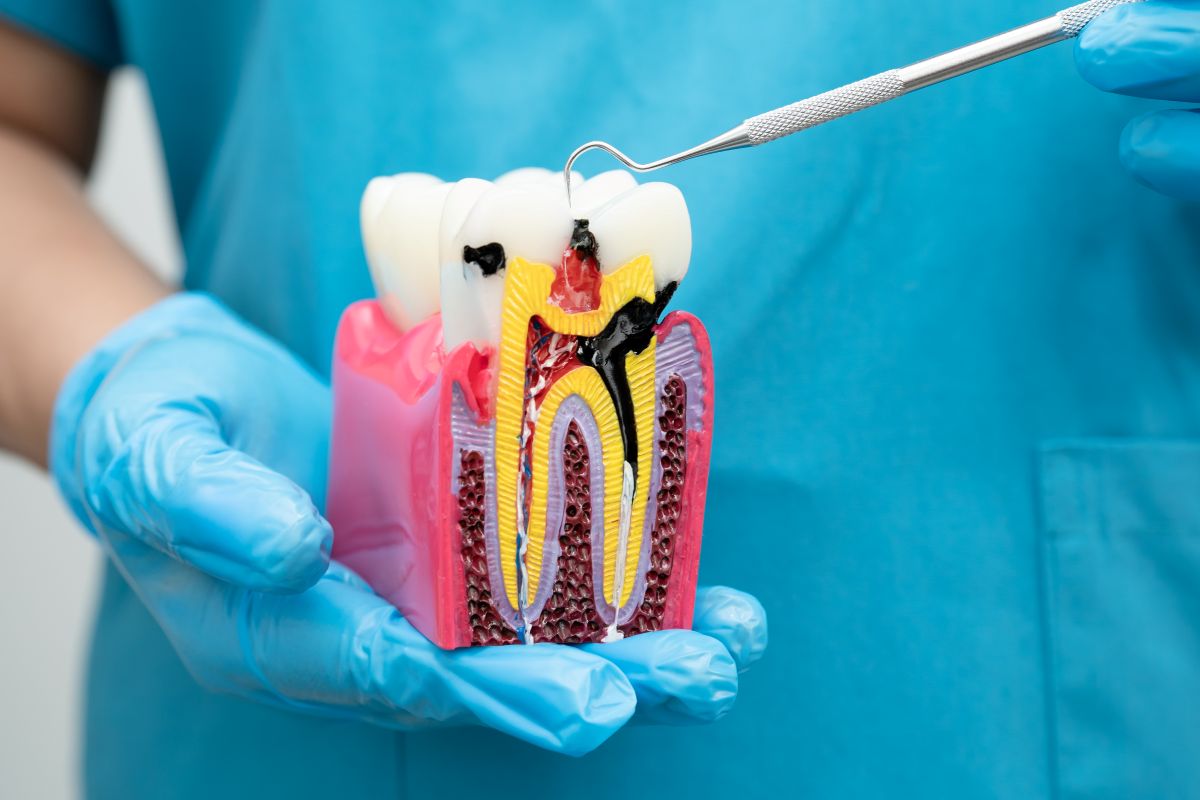
A root canal can save a damaged or infected tooth from extraction and restore your oral health. While the procedure itself is designed to be painless and efficient, proper aftercare is essential to ensure a smooth recovery. Following your dentist’s instructions, managing discomfort, and protecting the treated tooth are all critical steps in preventing complications. With the proper guidance, you can maintain your treatment results and enjoy a healthy, pain-free smile for years to come.
What to Expect After a Root Canal Procedure
After a root canal procedure, it’s normal to experience mild soreness or sensitivity around the treated tooth. Some patients may notice slight swelling or tenderness in the gums, especially in the first few days. Your bite may feel slightly different, which is normal as your tooth adjusts to the treatment. Most people find that these symptoms gradually improve within a week. Understanding what to expect helps reduce anxiety and allows you to focus on proper recovery.
Pain Management and Medication Guidelines
Discomfort after a root canal can usually be managed with over-the-counter pain relievers such as ibuprofen or acetaminophen. In some cases, your dentist may prescribe more potent medication for short-term relief. Avoid applying pressure or chewing hard foods on the treated tooth to prevent irritation. If pain persists beyond a week or worsens, contact an experienced dentist near you to ensure there are no complications.
Many patients find that following these pain management tips, along with proper aftercare instructions, helps them recover quickly and comfortably.
Oral Hygiene Tips During Recovery
Gentle Brushing and Flossing
Proper brushing is essential, but it should be gentle to avoid aggravating the treated area. Use a soft-bristle toothbrush and non-abrasive toothpaste, brushing carefully around the affected tooth. Flossing is still essential, but take care not to disrupt the treated site. This helps prevent plaque buildup and maintains overall oral health during recovery.
Rinsing and Mouthwash
Rinsing your mouth with a warm saltwater solution can reduce inflammation and promote healing. Alcohol-free, fluoride-containing mouthwash is also recommended to keep your gums and teeth clean without irritation. These practices support a healthy oral environment and help prevent infection during recovery.
Foods to Eat and Avoid
Eating the right foods can make a significant difference in your healing process. Stick to soft foods like yogurt, mashed potatoes, scrambled eggs, and smoothies for the first few days. Avoid hard, crunchy, sticky, or acidic foods that could damage the treated tooth or irritate the gums. Staying hydrated and maintaining a balanced diet supports overall healing and keeps your mouth healthy.
Follow-Up Visits and Long-Term Care
Routine follow-up appointments allow your dentist to monitor the treated tooth and ensure proper healing. During these visits, any minor issues can be addressed before they become larger problems. Long-term care includes maintaining excellent oral hygiene, wearing a nightguard if recommended, and attending regular checkups. Consistent monitoring ensures your tooth remains healthy and functional for years to come.
Conclusion
Recovering smoothly from a root canal requires a combination of gentle care, proper hygiene, and attention to dietary choices. Following these tips, along with your dentist’s professional guidance, ensures a comfortable recovery and long-lasting results. For personalized care and checkups, schedule an appointment with Spring View Dental in South Elgin, IL, to keep your smile healthy and strong.
FAQs About Smooth Root Canal Recovery and Aftercare
-
How long does recovery take after a root canal?
Most patients feel better within a few days, with complete healing in about a week. -
Is some pain normal after a root canal?
Yes, mild soreness and sensitivity are common and usually improve quickly. -
Can I eat normally after a root canal?
Stick to soft foods initially and avoid hard or sticky items until fully healed. -
Do I still need to brush and floss?
Yes, but be gentle around the treated tooth to prevent irritation. -
When should I contact my dentist?
Call immediately if pain worsens, swelling increases, or you notice signs of infection. -
Can a root canal fail?
Failures are rare but can happen; proper aftercare and follow-ups minimize the risk. -
Will I need a crown after a root canal?
Often, a crown is recommended to protect the tooth and restore function.