Cavities in kids aren’t rare. They’re one of the most common chronic conditions in young children today. Parents are often surprised at how quickly decay can occur—even in baby teeth.
Let’s explain why dental cavities are common in young children, what causes them, and how to prevent them.
Yes, It’s Very Common
It might surprise you, but more than half of children aged 6 to 8 have had cavities. Even toddlers can be affected. Poor brushing habits, sugary snacks, and frequent dental checkups contribute to the problem.
Baby teeth may be temporary, but they play a significant role in your child’s oral health. If left untreated, cavities can cause pain, infections, and even speech problems.
Why Young Teeth Are at Risk
Children’s enamel is thinner and less dense than adult enamel. That makes their teeth more vulnerable to decay. Once bacteria settle in, they can cause damage fast.
Poor brushing techniques or skipping flossing allow plaque to build up. Combined with sticky foods, this creates a perfect storm for early-stage tooth decay.
How Sugar Plays the Villain
There’s a clear link between sugar and cavities. Frequent snacking on candy, juice, or even crackers can trigger decay. Sugar feeds harmful mouth bacteria, which then produce acid. That acid attacks enamel and forms holes—cavities.
It’s not just about candy. Even hidden sugars in processed foods or flavored yogurts can contribute to decay.
Spot the Early Signs
Cavities don’t always start with pain. You might notice white spots on the teeth or slight sensitivity to cold. Left untreated, these can become holes or black spots—visible signs that cavity treatment may be needed.
If your child avoids chewing or complains of discomfort, it’s time to call the dentist.
How Cavities Are Treated
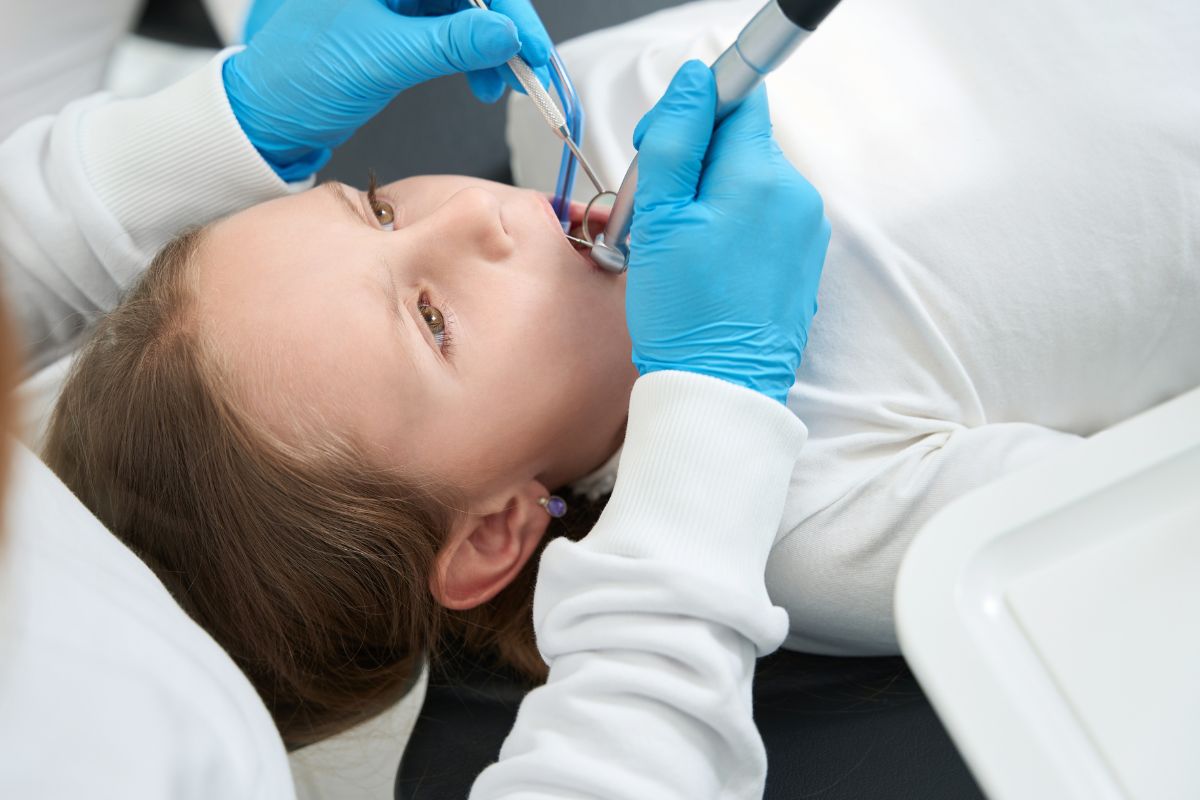
Dentists use different methods to stop decay based on severity. For mild cavities, fluoride treatments may reverse early signs. For deeper damage, your child might need a dental filling to restore the tooth’s function.
Fillings seal the hole and stop further infection. The procedure is quick and safe, primarily when performed by an experienced pediatric specialist.
Preventing Cavities Starts Early
Prevention is always easier than treatment. Start brushing as soon as the first tooth appears. Use a tiny amount of fluoride toothpaste and a soft brush. Teach kids to brush for two minutes, twice a day.
Avoid putting babies to bed with a bottle. Try to limit snacks between meals, and encourage water instead of juice.
Routine Dental Visits Matter
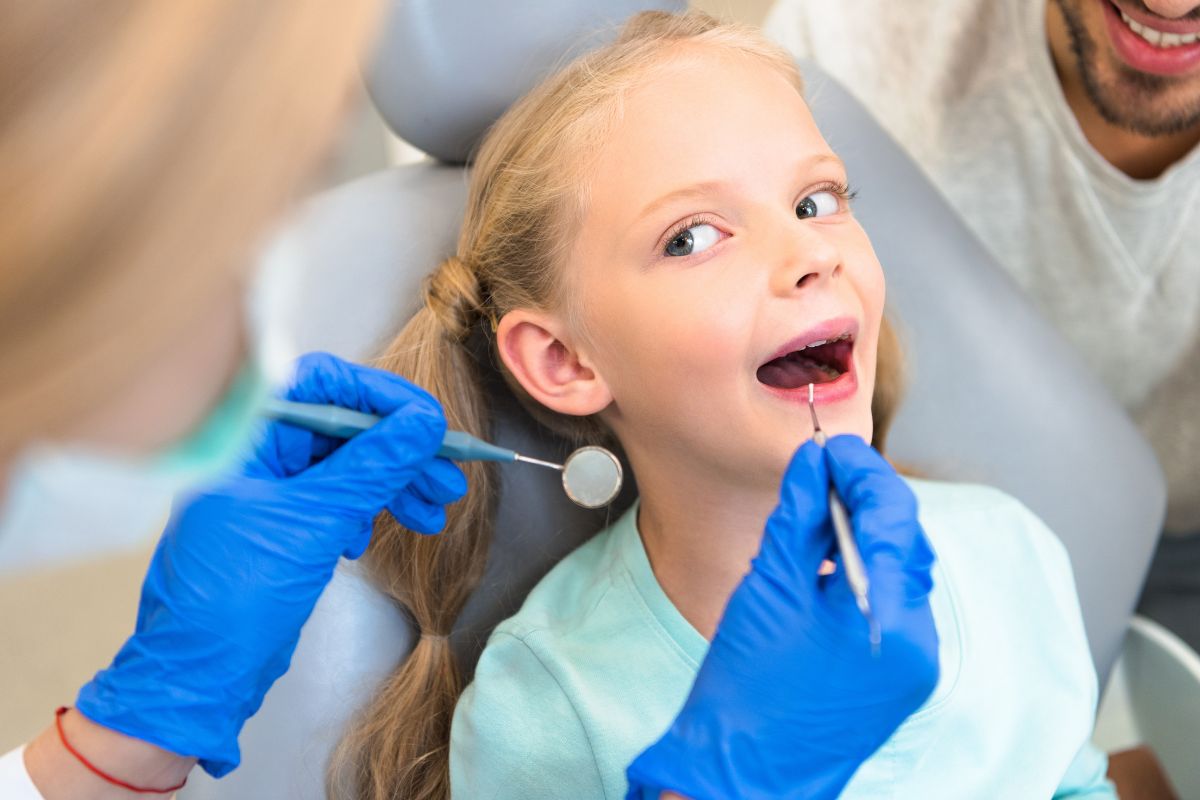
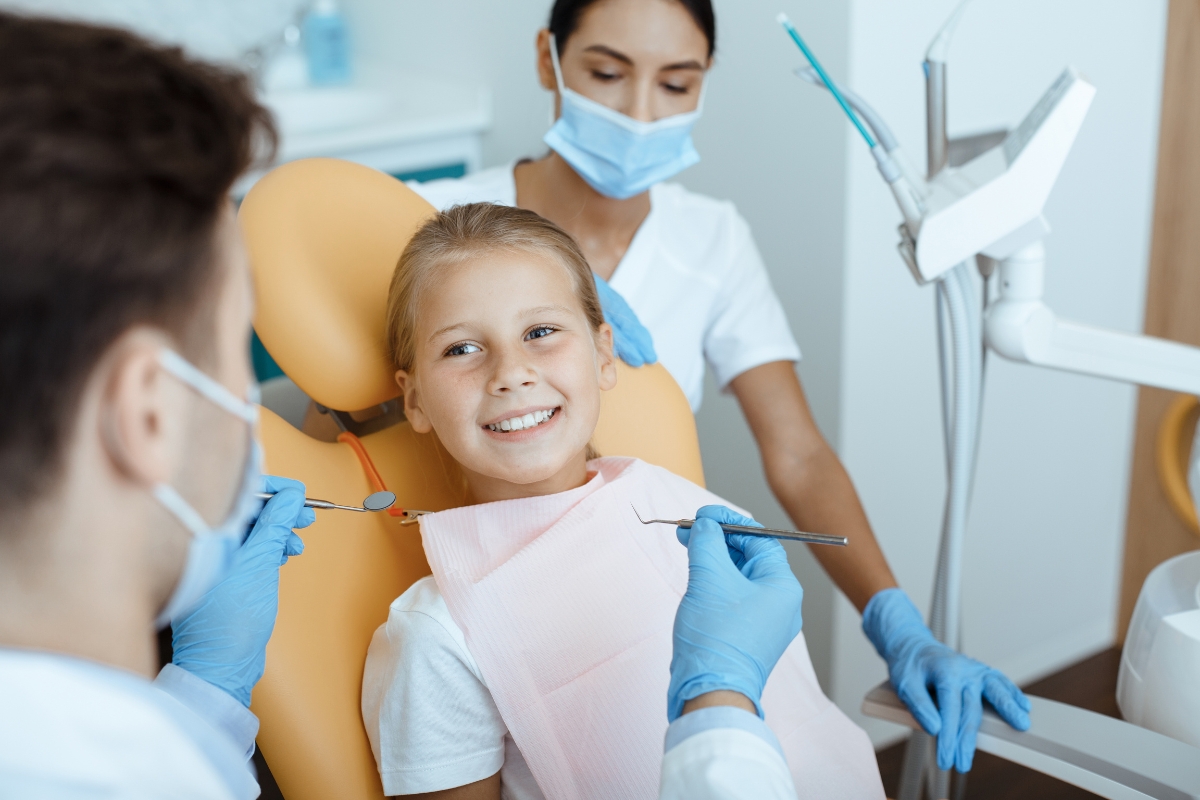
Seeing a dentist regularly helps catch issues early. The American Dental Association recommends that children see a dentist by age one. These early visits help kids feel comfortable and allow dentists to spot problems before they grow.
Do you need trusted care for your little one? A Pediatric dentist in South Elgin can provide child-focused dental support tailored to your child’s needs.
A Healthier Smile Begins at Home
Good oral habits and early dental visits go hand-in-hand. Parents play a huge role in protecting young teeth. Teaching children to brush, floss, and eat well prepares them for lifelong oral health.
If cavities happen, don’t worry—modern treatment is gentle, fast, and effective.