As a parent, you want to give your child the healthiest start possible. From balanced meals to routine pediatric checkups, every step supports their growth and development. One milestone that is sometimes overlooked, however, is your child’s first dental visit.
Many parents believe dental care begins when permanent teeth come in or when their child starts school. In reality, oral health care should begin much earlier. Understanding the right time to schedule your child’s first dental appointment can help set the stage for a lifetime of healthy, confident smiles.
The Recommended Age for a First Dental Visit
According to the American Dental Association and the American Academy of Pediatric Dentistry, children should see a dentist by their first birthday or within six months of their first tooth erupting.
Baby teeth (also known as primary teeth) usually begin to appear around six months of age. Even though these teeth are temporary, they play a vital role in your child’s oral and overall development. Early dental visits help ensure these teeth stay healthy and strong from the very beginning.
Delaying care can increase the risk of early childhood cavities, one of the most common chronic conditions affecting children in the United States.
Why Baby Teeth Are So Important
It’s easy to assume baby teeth aren’t as important since they eventually fall out. However, primary teeth serve several essential functions:
-
Help children chew and eat properly
-
Support clear speech development
-
Hold space for permanent teeth to erupt correctly
-
Contribute to proper facial structure
-
Build self-confidence as your child grows
If baby teeth are lost too early due to decay, it can lead to crowding, alignment concerns, or the need for orthodontic treatment later on. Starting dental visits early helps prevent these complications and supports healthy development.
What to Expect at the First Dental Appointment
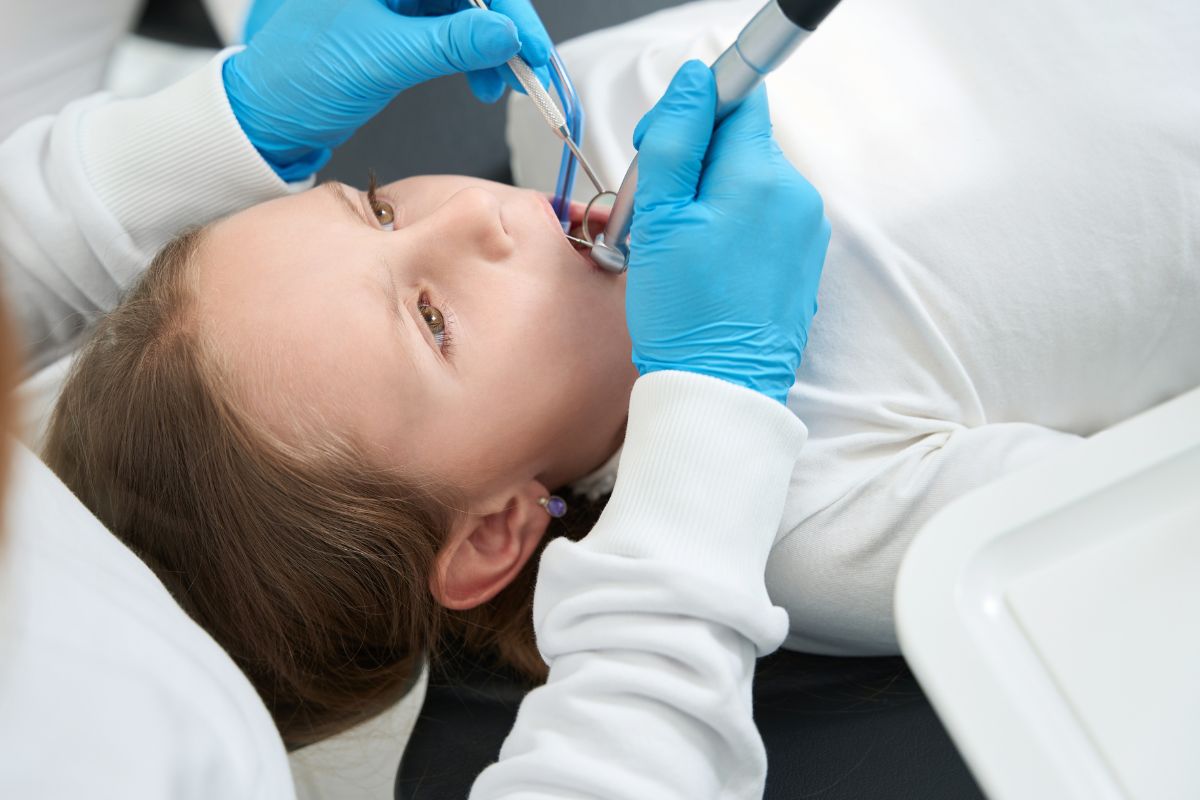
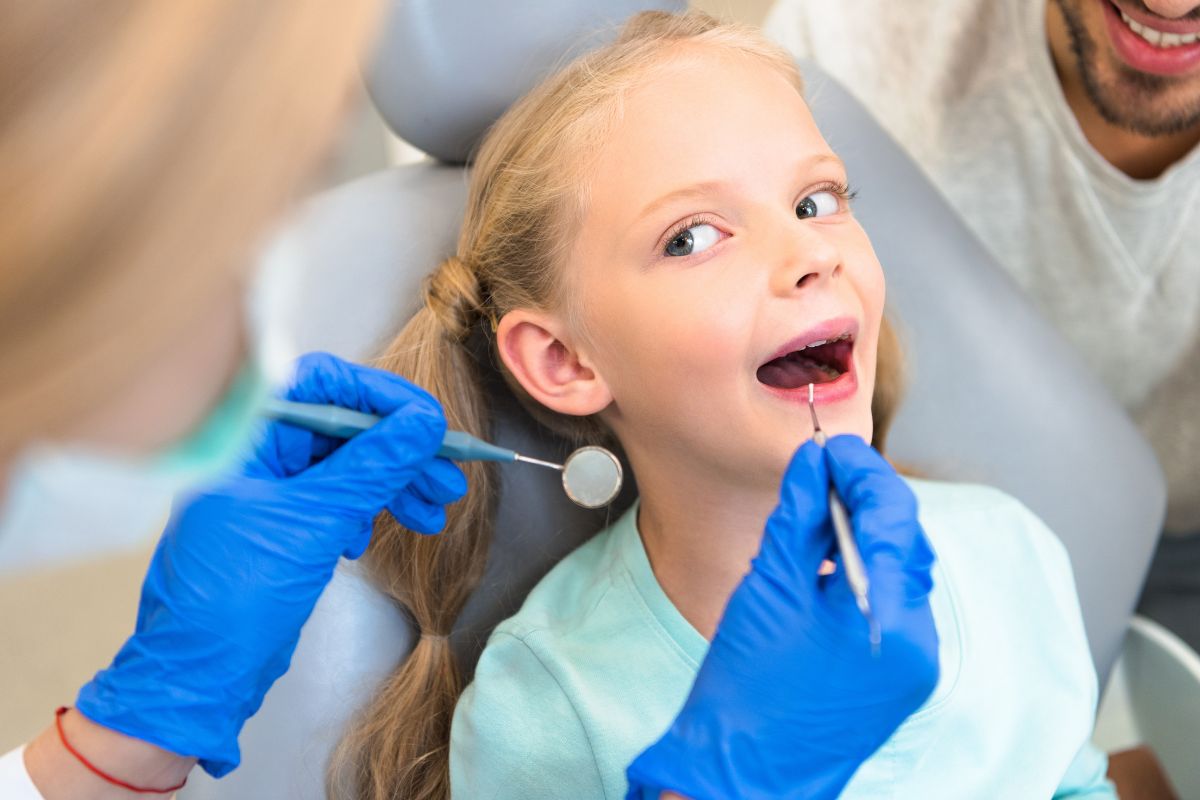
Your child’s first dental appointment is designed to be a gentle, welcoming environment. The goal is to create a safe, positive experience as you introduce your little one to the dental environment in a calm, reassuring way.
During the visit, the dentist may:
- Carefully examine your child’s teeth, gums, and jaw development
- Check for early signs of tooth decay
- Evaluate bite alignment and oral growth
- Gently clean the teeth if needed
- Apply fluoride treatment (if appropriate)
- Offer guidance on brushing, feeding habits, and teething
A child-friendly dental care focuses on patience, comfort, and communication. Dentists use simple language, friendly tones, and a supportive atmosphere to help children feel at ease.
This first visit is also an opportunity for parents to ask questions about thumb-sucking, pacifier use, diet, and proper oral hygiene techniques. Most importantly, the appointment helps build trust, so your child grows up feeling confident and comfortable about visiting the dentist.
Signs Your Child Should See a Dentist Sooner
While the first visit is recommended by age one, certain symptoms may require an earlier appointment:
-
White, brown, or dark spots on teeth
-
Swollen, red, or bleeding gums
-
Persistent bad breath
-
Tooth pain or sensitivity
-
Injury to the mouth or teeth
Early intervention can prevent small issues from becoming more serious problems.
How to Prepare Your Child for Their First Visit
A positive dental experience often starts at home. Here are a few helpful tips:
1. Use Positive Language
Describe the dentist as a friendly helper who checks and cleans teeth. Avoid words like “hurt” or “shot.”
2. Read Children’s Books
Books or short videos about visiting the dentist can make the experience feel familiar and fun.
3. Choose the Right Appointment Time
Schedule when your child is well-rested and not hungry. Morning visits often work best for young children.
4. Stay Calm and Encouraging
Children can sense anxiety. If you’re relaxed and confident, they’re more likely to feel secure.
How Often Should Children Visit the Dentist?