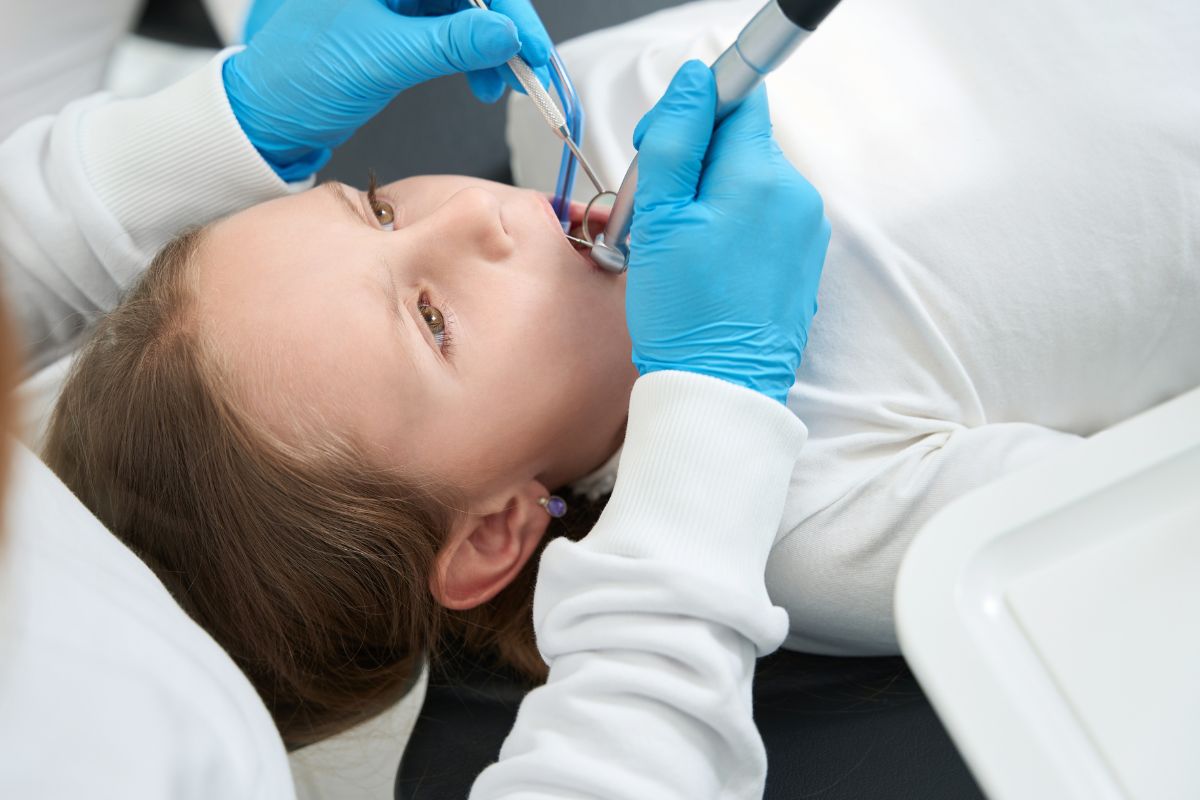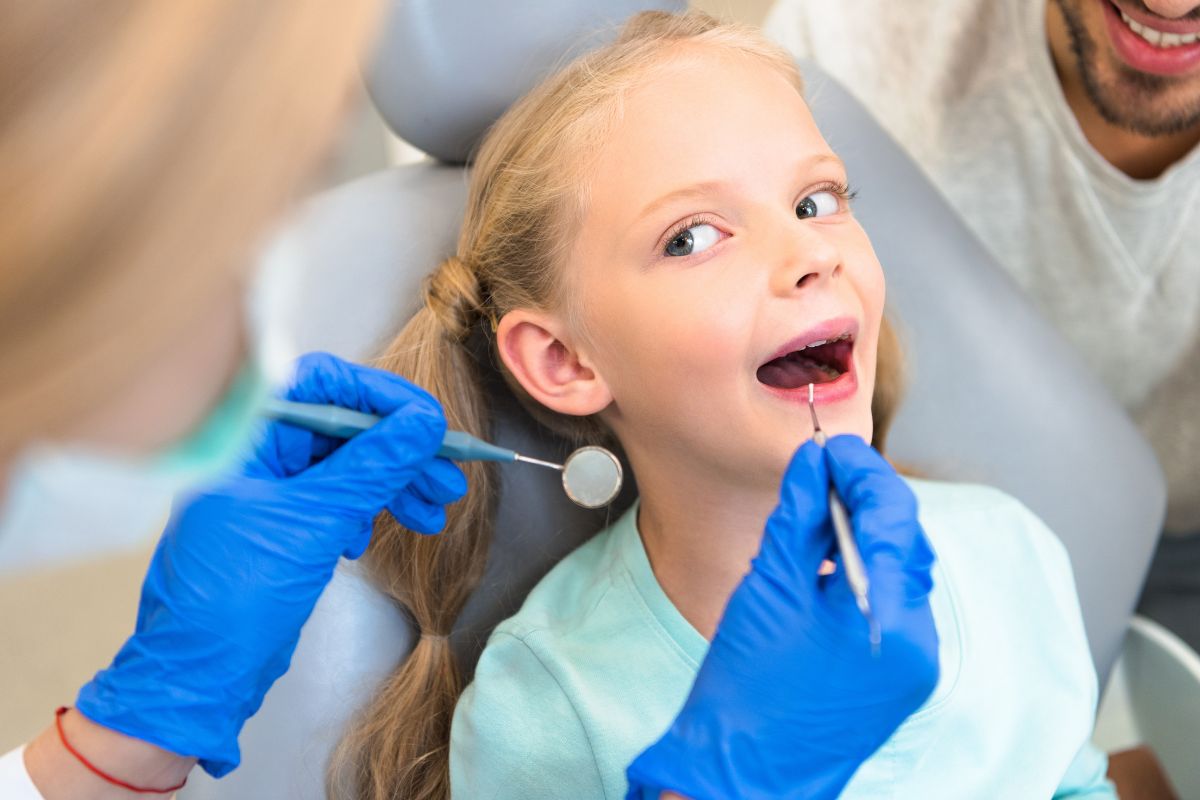

It is easy to assume baby teeth are just temporary placeholders, but they actually carry a lot of responsibility in a child’s early development. These first teeth help children chew comfortably, speak clearly, and build the structure their future smile depends on.
These teeth guide permanent teeth into place and help shape the jaw as it grows. When they are ignored or damaged early, it can create challenges that carry into adolescence and adulthood.
Even something as simple as a cavity in a baby tooth can affect how a permanent tooth develops later. That is why early attention matters more than most parents expect.
How Baby Teeth Support Growth, Speech, and a Healthy Bite
Baby teeth are actively involved in a child’s development from the moment they appear. They are not just placeholders. They guide how the mouth grows and functions.
Healthy baby teeth help children chew comfortably, which directly affects nutrition and overall growth. When a tooth hurts or becomes decayed, children often avoid certain foods, which can limit their diet and affect healthy development over time.
These teeth also play a major role in speech. Sounds such as S, F, and T rely on proper tooth placement. If teeth are missing or damaged, it can affect pronunciation and sometimes require correction later.
This is where pediatric dental care becomes especially important. Early dental visits and preventive care help identify small concerns before they turn into bigger problems.
Why Baby Teeth Set the Stage for Permanent Teeth
Every baby tooth holds a space for a permanent one waiting underneath. Think of them as natural placeholders that keep everything aligned as your child grows.
When a baby tooth is lost too early due to decay or injury, nearby teeth can drift into that open space. This movement can prevent permanent teeth from erupting properly, sometimes leading to crowding or misalignment. In many cases, this creates the need for more complex orthodontic treatment later.
Healthy baby teeth also protect the developing permanent teeth underneath. Infection or untreated decay can spread deeper and affect how adult teeth form. That is why early dental visits are not just routine; they are preventive steps that protect the future smile.
Everyday Habits That Protect Little Smiles
Good oral health in children begins at home, and consistency matters more than perfection. Baby teeth may be temporary, but the habits formed during this stage strongly influence lifelong oral hygiene.
Here are some simple but effective habits that help keep their smiles healthy:
- Brushing twice a day with a soft-bristled toothbrush helps remove plaque and keeps gums clean and healthy.
- Using the right amount of fluoride toothpaste strengthens enamel and helps protect against early tooth decay.
- Limiting sugary snacks and frequent sweet drinks reduces the risk of cavities and supports better oral health.
- Regular dental visits are just as important as home care for maintaining a healthy smile.
Children who learn proper dental habits early are more likely to maintain them as adults.
Common Issues That Affect Baby Teeth
Even with good habits, baby teeth can still face challenges. Cavities are one of the most common problems, especially when children frequently consume sugary drinks or snacks.
Another issue is prolonged thumb sucking or bottle use, which can influence how teeth and jaws develop. While many children grow out of these habits naturally, in some cases, they may affect alignment if they continue too long.
Tooth sensitivity, early decay, and minor injuries are also common in young children. The important thing is not to wait. Early attention often prevents more complicated dental work later.
Why Early Dental Visits Make a Big Difference
Bringing a child to the dentist early helps build comfort and trust. It also allows the dental team to monitor how teeth are developing over time.
These early visits are not just about cleaning teeth. They are about education, prevention, and helping parents feel confident about their child’s oral health journey. When families stay consistent with checkups, small concerns are usually addressed before they become painful or expensive problems.
Early care also helps children develop a positive attitude toward dental visits. That comfort can carry into adulthood and reduce dental anxiety later in life.
Healthy Smiles Start Early in South Elgin
Baby teeth may be temporary, but their impact lasts far beyond childhood. They influence how teeth align, how speech develops, and how confidently a child grows into their smile. Protecting them is one of the most important steps in long-term oral health.
At Spring View Dental, we focus on early care because it sets the foundation for lasting confidence. From routine checkups to preventive guidance tailored for growing smiles, our team is committed to supporting families at every stage. Visit our dental office in South Elgin for early prevention and to help ensure your child’s future smile stays healthy and worry-free.
FAQs About Baby Teeth and Long-Term Oral Health
1. Why are baby teeth so important if they eventually fall out?
Baby teeth hold space for permanent teeth and guide them into the correct position. They also support chewing, speech, and jaw development. If they are damaged early, it can affect how adult teeth grow in. They play a much bigger role than most people realize.
2. When should my child first visit the dentist?
Children should visit a dentist by age one or within six months after the first tooth appears. Early visits help detect issues before they become serious. They also help children feel comfortable in a dental setting. Prevention always starts early.
3. Can cavities in baby teeth affect adult teeth?
Yes, untreated cavities can spread infection and impact the developing permanent tooth underneath. This may lead to alignment issues or enamel problems later on. Early treatment protects both baby and adult teeth. It is always better to address decay early.
4. How often should children brush their teeth?
Children should brush their teeth twice daily with a soft toothbrush and a small amount of fluoride toothpaste. Parents should supervise brushing until children develop proper technique. Consistency is more important than anything else. Good habits form strong smiles.
5. What foods help keep baby teeth healthy?
Foods like fruits, vegetables, dairy products, and whole grains support strong teeth. Water is the best drink choice for daily hydration. Sugary snacks and drinks should be limited. A balanced diet supports healthy enamel and gums.
6. What causes early tooth decay in kids?
Frequent sugar exposure, poor brushing habits, and prolonged bottle use are common causes. Bacteria in the mouth feed on sugar and create acids that weaken enamel. Without care, decay can spread quickly in baby teeth. Early prevention is key.
7. How can I make dental visits easier for my child?
Start dental visits early and keep the experience positive and relaxed. Avoid using negative words about dentists or treatments. Regular visits help children feel familiar and safe. Comfort builds confidence over time.