Cavities in children are more common than many parents expect, but the encouraging part is that they are largely preventable. With a few consistent habits at home, you can protect your child’s teeth and set the stage for a lifetime of healthy smiles. It is not about being perfect. It is about building simple routines, staying aware of daily choices, and making small decisions that fit naturally into your family’s everyday life.
Build Strong Routines Early for Lifelong Oral Health
Children thrive on routine, and their oral health is no different. Establishing simple habits early makes brushing and flossing feel normal rather than a chore. When kids grow up understanding that caring for their teeth is part of their day, they are more likely to stick with it.
Here is where to start:
- Brush twice a day using a fluoride toothpaste
- Supervise brushing until your child can do it well on their own
- Introduce flossing as soon as two teeth touch
- Keep brushing fun with songs, timers, or colorful toothbrushes
This is where a thoughtful approach to kids’ dental care can make a lasting impact.
Making Better Choices When It Comes to Sugary Foods
Sugar plays a major role in cavity development, but eliminating it completely is neither practical nor necessary for most families. What truly matters is how often your child is exposed to sugary foods and drinks throughout the day. Frequent snacking on sweets or sipping sugary beverages creates a constant environment where harmful bacteria can thrive. A more balanced approach works better.
Offer water instead of juice or soda whenever possible, and try to keep sugary treats limited to mealtimes rather than spreading them out across the day. You can also swap in tooth-friendly options like cheese, yogurt, fresh fruits, and nuts to reduce risk while still keeping snacks enjoyable.
Over time, these small adjustments can significantly lower the chances of cavities without making your child feel restricted.
Make Water the First Choice Every Day
Water does much more than keep your child hydrated. It plays an important role in protecting their teeth by helping rinse away leftover food particles and cavity-causing bacteria. When your local water supply contains fluoride, it adds another layer of protection by strengthening enamel and making teeth more resistant to decay.
Encouraging your child to reach for water throughout the day can be a simple yet powerful habit. Offering water after meals and snacks helps keep the mouth clean, while carrying a reusable water bottle to school makes it easier to choose water over sugary drinks.
This small and consistent change can have a lasting impact on your child’s oral health.
Do Not Skip Regular Dental Visits
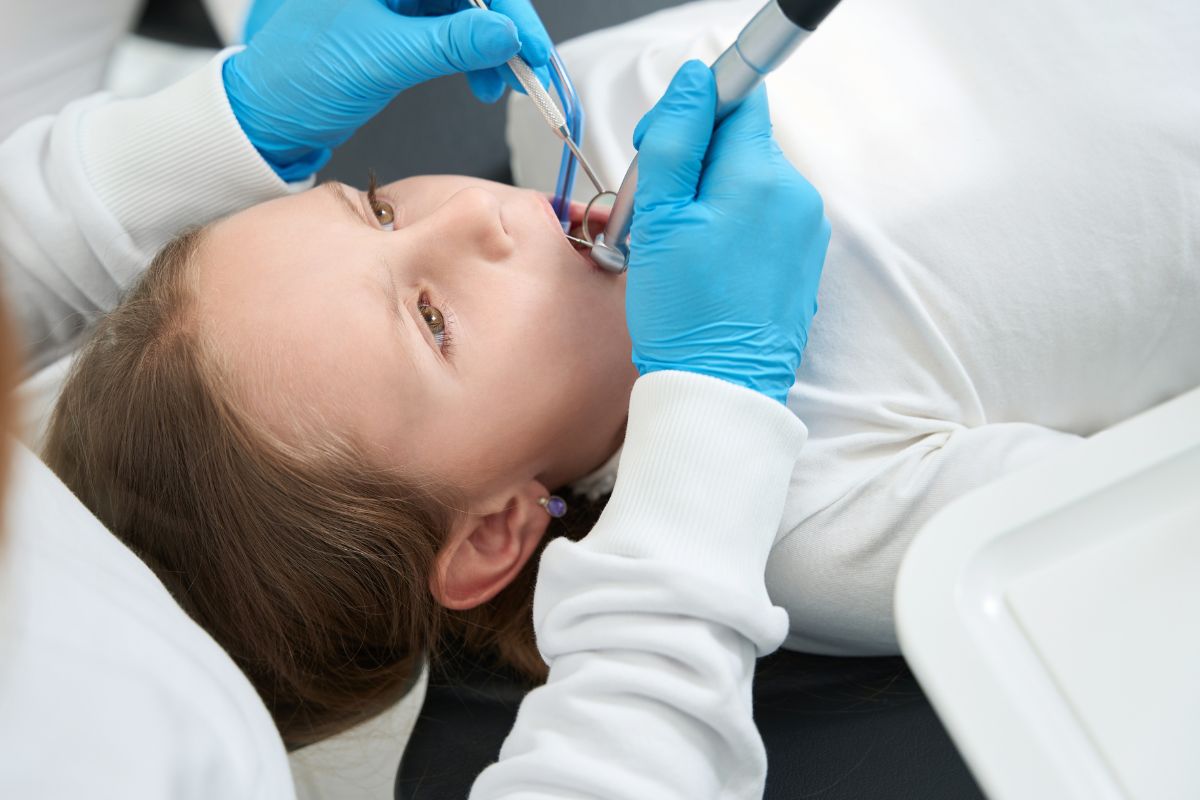
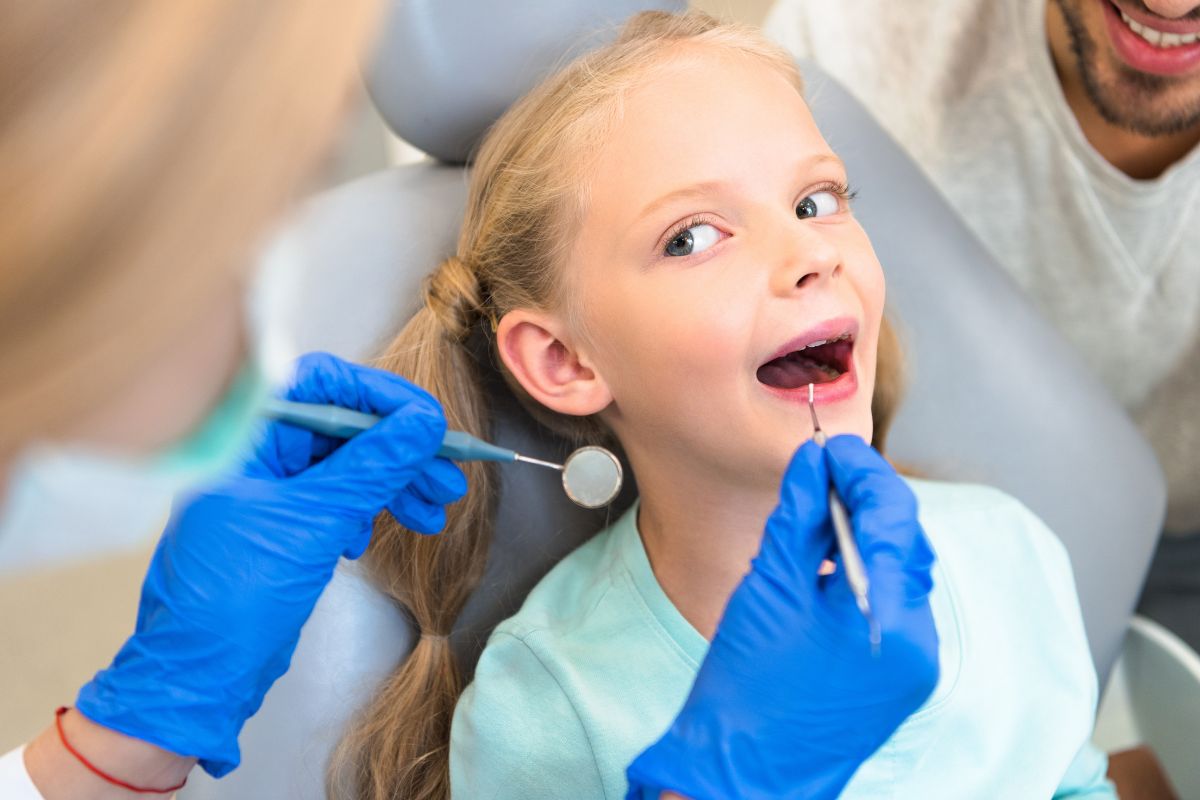
Even with excellent habits at home, professional care is essential. Routine dental visits allow your pediatric dentist to catch early signs of cavities before they become bigger problems.
During a visit, your child’s dentist will:
- Check for early decay or enamel weakness
- Provide professional cleaning
- Offer guidance tailored to your child’s needs
Apply preventive treatments if needed
Early detection keeps treatment simple and less stressful for both kids and parents.
Protecting Teeth with Proper Fluoride Use
Fluoride plays an important role in protecting your child’s teeth from cavities by strengthening enamel and making it more resistant to decay. When used correctly, it becomes a reliable part of your child’s daily oral care routine.
If your child is more prone to cavities, your dentist may recommend professional fluoride treatments for added protection. With the right approach, fluoride offers a simple yet effective way to support long-term oral health.
Shielding Molars from Cavities with Sealants
Even with good brushing and healthy habits, some areas of your child’s teeth are harder to keep clean. The back teeth, especially molars, have deep grooves where food and bacteria can easily get trapped. Dental sealants offer a simple and effective way to protect these vulnerable areas. A sealant is a thin, protective coating applied to the chewing surfaces of the teeth to block out plaque and food particles. The process is quick, comfortable, and requires no drilling or numbing.
Sealants are especially helpful for children who are still developing strong brushing skills. Once applied, they can provide long-lasting protection and significantly reduce the risk of cavities in those hard-to-reach areas. When combined with daily oral care and regular dental visits, sealants provide an additional layer of protection to keep your child’s smile healthy and strong.
Let’s Keep Little Smiles Bright in South Elgin
Helping your child avoid cavities does not have to feel overwhelming. With the right habits and regular guidance, healthy smiles come naturally over time. At Spring View Dental, we are here to support your family every step of the way.
Visit our dental office in South Elgin for personalized care and practical advice tailored to your child’s needs. Schedule an appointment today and give your child a confident, cavity-free smile for the future.
FAQs on Preventing Cavities in Kids
- At what age should my child start brushing?
Start as soon as the first tooth appears. Use a soft brush and a tiny amount of fluoride toothpaste. - How often should kids visit the dentist?
Every six months is recommended, unless your dentist suggests more frequent visits. - Are baby teeth really that important?
Yes. Baby teeth guide permanent teeth and play a key role in speech and chewing. - What causes cavities in kids the most?
Frequent sugar exposure, poor brushing habits, and skipping dental visits are the main causes. - Can cavities in kids be reversed?
Early stages of decay can sometimes be stopped or reversed with fluoride and improved habits. - Is juice bad for my child’s teeth?
Juice can contribute to cavities, especially when consumed frequently. It is best to limit intake and encourage water.