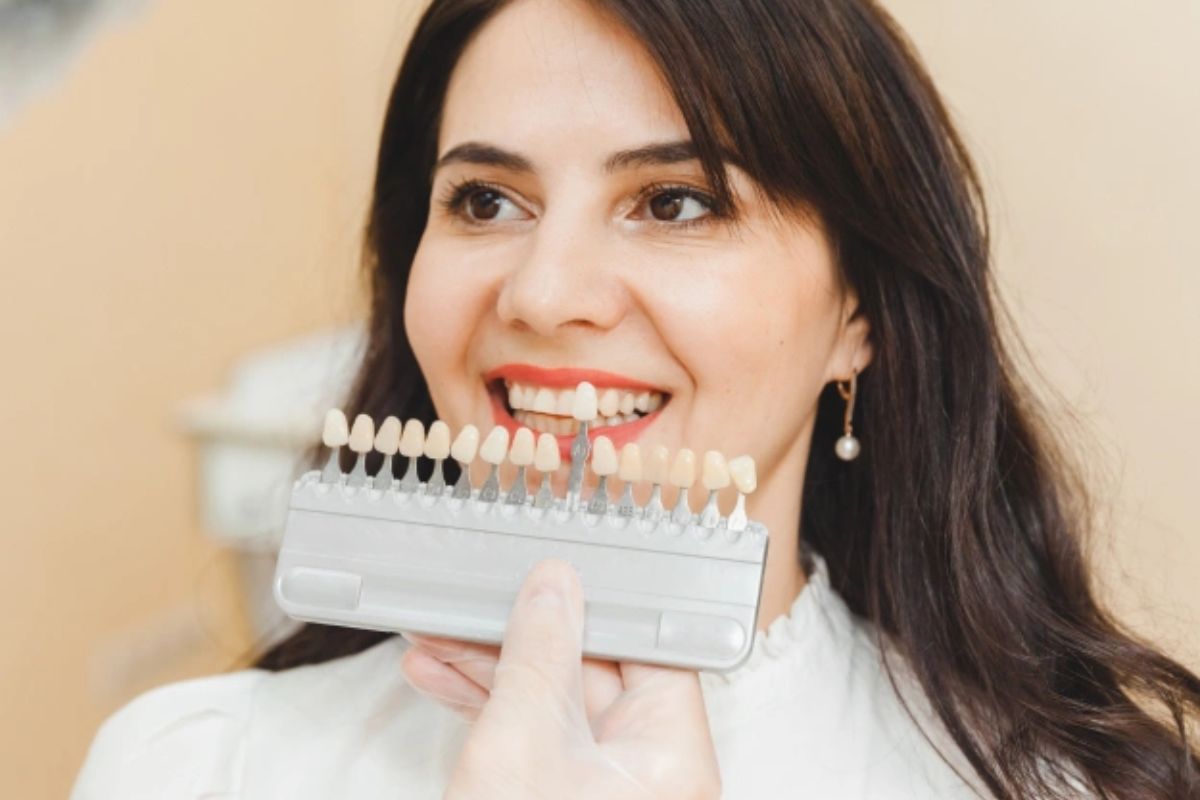
From summer evenings at Panton Mill Park concerts to lively community gatherings near Randall Road, everyday moments in South Elgin often put your smile in the spotlight. In these social settings, a confident smile naturally becomes part of how you connect, express yourself, and leave a lasting impression.
That’s why many patients in South Elgin choose dental veneers. These custom-made restorations are designed to blend seamlessly with your natural teeth while enhancing their shape, color, and alignment, helping you achieve a more balanced and confident smile.
Understanding Dental Veneers and Their Purpose
Dental veneers are one of the most popular cosmetic dental treatments available today. They involve bonding thin, custom-made shells, typically crafted from porcelain or composite resin, to the front surfaces of your teeth. These shells are designed to improve the color, shape, size, and alignment of your smile while maintaining a natural appearance.
Although veneers are durable and stain-resistant, they are not indestructible. Proper oral hygiene, mindful eating habits, and regular dental visits are critical to protecting your investment. With the right care, veneers can last 10–15 years or longer.
Daily Oral Care Routine for Veneers
Maintaining excellent oral hygiene is essential to protect both your veneers and the natural teeth beneath them.
Brush Gently but Thoroughly
Use a soft-bristled toothbrush along with a non-abrasive fluoride toothpaste. Hard brushing or gritty toothpaste can gradually affect the smooth surface of veneers.
Brushing twice a day helps remove plaque buildup and keeps both your veneers and natural teeth healthy.
Flossing Is Still Necessary
Flossing should not be skipped after getting veneers. It helps clean areas that your toothbrush cannot reach, especially between teeth and near the gumline.
Healthy gums provide stable support for veneers and help maintain their natural appearance.
Choose a Gentle Mouth Rinse
Alcohol-based mouthwashes can weaken the bonding material over time. Instead, choose a mild, alcohol-free rinse to maintain freshness without harming your dental work.
Watch What You Eat and Drink
While porcelain veneers are stain-resistant, excessive consumption of staining beverages such as coffee, tea, red wine, and soda can still affect the surrounding natural teeth, creating uneven coloring.
Try to:
- Limit highly pigmented drinks
- Rinse your mouth with water after consuming staining foods
- Avoid biting directly into hard foods like ice, nuts, or hard candies
- Cut firm fruits and vegetables into smaller pieces
Being mindful of your diet will help prevent chips, cracks, and discoloration.
Avoid Bad Habits That Can Damage Veneers
Certain habits can compromise the integrity of your veneers.
- Do not use your teeth to open packages
- Avoid nail biting or chewing on pens
- If you grind your teeth at night, wear a custom nightguard
Bruxism (teeth grinding) can cause veneers to chip or loosen. A protective appliance can significantly extend its lifespan.
Importance of Regular Dental Visits
Routine dental checkups are essential even after cosmetic treatments. Visiting your dentist every six months allows for professional cleaning and early detection of any issues.
During these visits, your dentist will:
- Check the condition of your veneers
- Ensure bonding remains secure
- Examine gum health
- Remove plaque and tartar buildup
- Assess bite alignment
Professional cleanings are especially important because they maintain overall oral health and help keep your smile bright and balanced.
When You Should Contact Your Dentist
Although veneers are durable, certain signs should not be ignored. You should contact your dentist if you experience:
- A chipped or cracked veneer
- Increased sensitivity that doesn’t improve
- Gum discomfort or swelling near treated teeth
- A feeling that a veneer has loosened
- Changes in your bite or alignment
Early evaluation can often prevent more complex issues and ensure the long-term success of your treatment.
Long-Term Care for a Confident Smile
Caring for veneers does not require complicated routines, but it does require consistency. A combination of proper oral hygiene, smart dietary choices, and regular dental visits will keep your smile looking natural and beautiful for years. With proper maintenance, veneers can last well over a decade while retaining their strength and appearance.
At Spring View Dental, our team is dedicated to helping patients protect their cosmetic dental investments. From routine care to expert guidance, we are here to ensure your smile always looks its best. Contact our South Elgin office today to maintain a flawless, long-lasting smile.
FAQs About Dental Veneer Care
1. Can I eat normally after getting veneers?
Yes, but it’s best to start with softer foods immediately after treatment. Once your mouth has adjusted, you can return to a normal diet while avoiding excessive pressure on your teeth.
2. Do veneers change color over time?
Porcelain veneers are highly resistant to stains, but surrounding natural teeth may darken, which can affect overall color balance.
3. Is special toothpaste required for veneers?
A mild, non-abrasive toothpaste is recommended to protect the polished surface and avoid scratching.
4. What if my veneer gets damaged?
Contact your dental provider as soon as possible. Depending on the damage, it may be repaired or replaced.
5. Can veneers be whitened later?
No, veneers do not respond to whitening treatments. If the color changes, polishing or replacement may be needed.
6. How long do veneers typically last?
With proper care, veneers can last anywhere from 10 to 15 years or even longer.
7. How often should I see a dentist after getting veneers?
A visit every six months is ideal for maintaining oral health and ensuring veneers remain in good condition.