
Invisalign has transformed modern orthodontics. Clear aligners are discreet, removable, and comfortable. But Invisalign won’t fix everything — and for South Elgin patients, understanding which bite problems need braces instead could save a lot of time and frustration. At Spring View Dental, Dr. Chessa A. Calabrese helps patients make informed decisions before starting treatment.
This article breaks down exactly what Invisalign can and cannot treat. We cover crowding, spacing, overbites, underbites, and more complex bite issues. By the end, you will know whether Invisalign is right for you — or whether traditional braces are the smarter path.
What Invisalign Can Actually Fix in South Elgin
Invisalign works exceptionally well for mild to moderate orthodontic problems. It uses a series of custom plastic trays to gradually shift teeth into position. The technology has improved significantly over the past decade. Many issues that once required braces can now be addressed with clear aligners.
Invisalign handles these conditions well:
- Mild to moderate crowding (teeth overlapping slightly)
- Small gaps and spacing issues between teeth
- Mild overbite where the upper teeth extend too far forward
- Mild underbite with minimal jaw discrepancy
- Crossbite affecting a few teeth
- Open bite cases that are not skeletal in nature
These cases respond well because the teeth need relatively minor repositioning. The aligners apply consistent, controlled pressure. Patients see real results without metal brackets or wires. Many South Elgin adults and teens choose Invisalign for exactly these situations.
Which Bite Problems Need Braces Instead — South Elgin Cases Explained
Here is where the Invisalign conversation gets more nuanced. Severe bite problems involve more than just tooth position. They often involve jaw alignment, bone structure, or rotated teeth. These are situations where traditional braces deliver far more reliable outcomes.
Braces are typically the better option when patients present with:
- Severe crowding that requires significant tooth movement
- Large gaps that need substantial closing force
- Significant overbite or underbite rooted in jaw position
- Severely rotated teeth, especially molars
- Vertical tooth movement needs (intrusion or extrusion)
- Complex bite corrections requiring precise torque control
Traditional braces are bonded directly to each tooth. They give orthodontists and dentists much greater control over movement direction. For complex cases, that precision matters enormously. Attempting Invisalign on severe cases can lead to poor results and extended treatment time.
Patients with significant jaw discrepancies may also need orthodontic treatment alongside other interventions. TMJ issues and bite problems are sometimes connected. Dr. Calabrese evaluates each patient’s full bite picture before recommending a direction.
Crowding and Spacing: Where the Line Is Drawn
Crowding is one of the most common reasons people seek orthodontic care. Invisalign handles mild crowding very effectively. However, once crowding becomes severe, the aligners may lack the force and control needed to move teeth properly.
Severe crowding sometimes requires tooth extractions to create space. Traditional braces handle post-extraction movement more predictably. The brackets and wires can close extraction spaces with more consistent control. Invisalign in these cases may struggle to close gaps evenly.
Spacing issues follow a similar pattern. Small gaps between front teeth respond well to clear aligners. Larger spaces — especially those spread across multiple teeth — may require the sustained force that braces provide. The aligner trays can lose their grip on teeth with larger spacing, reducing efficiency.
Dr. Calabrese will take digital X-rays and impressions during your consultation. This lets her see exactly how much space exists and how far teeth need to travel. That information determines whether Invisalign or braces is the right recommendation for your specific situation in South Elgin.
Overbite and Underbite: When Jaw Alignment Is the Real Issue
Overbite and underbite are often misunderstood. Many people assume these are purely dental problems. In reality, both can involve skeletal structure — meaning the jaw bones themselves are misaligned. Invisalign can correct dental-based overbites and underbites. Skeletal problems are a different story.
A deep overbite means the upper front teeth cover too much of the lower front teeth. Mild versions respond to Invisalign with attachments and rubber bands. Severe deep bites — especially those involving significant vertical jaw differences — require braces. In some cases, jaw surgery becomes part of the treatment plan as well.
Underbites occur when lower teeth sit in front of upper teeth when biting. Mild underbites caused by tooth position can sometimes be corrected with Invisalign. Underbites caused by the lower jaw sitting too far forward almost always require braces. In growing patients, additional appliances may also be needed.
Mismanaging a severe underbite with Invisalign alone can actually worsen the bite over time. This is why a thorough evaluation is so important before starting any treatment. South Elgin patients deserve a plan that addresses the root cause — not just the visible symptoms.
How Cosmetic Goals Fit Into the Invisalign Decision
Many patients seek Invisalign primarily for cosmetic reasons. They want straighter teeth and a more confident smile. That is completely valid. However, cosmetic goals should not override functional bite correction. A smile that looks straight but bites incorrectly can cause long-term problems.
If your primary concern is aesthetics and your bite is relatively healthy, Invisalign may be a perfect fit. It straightens teeth while keeping your appearance natural during treatment. Paired with other Cosmetic Dentistry South Elgin services, the results can be transformative. Veneers, bonding, and teeth whitening complement a newly aligned smile beautifully.
But if your bite has functional issues — clicking jaw, uneven wear, or discomfort — those need to be addressed first. Cosmetic work on top of an uncorrected bite rarely holds up well. Dr. Calabrese takes a whole-mouth approach to ensure your results are both beautiful and functional long-term.
In some cases, patients need dental restorations before orthodontic treatment can begin. For example, a severely damaged tooth may require attention before aligners or braces fit properly. Even a Root Canal South Elgin might be necessary to stabilize a tooth before moving it orthodontically. Good sequencing of care leads to better outcomes overall.
What to Expect During Your Invisalign Candidacy Evaluation
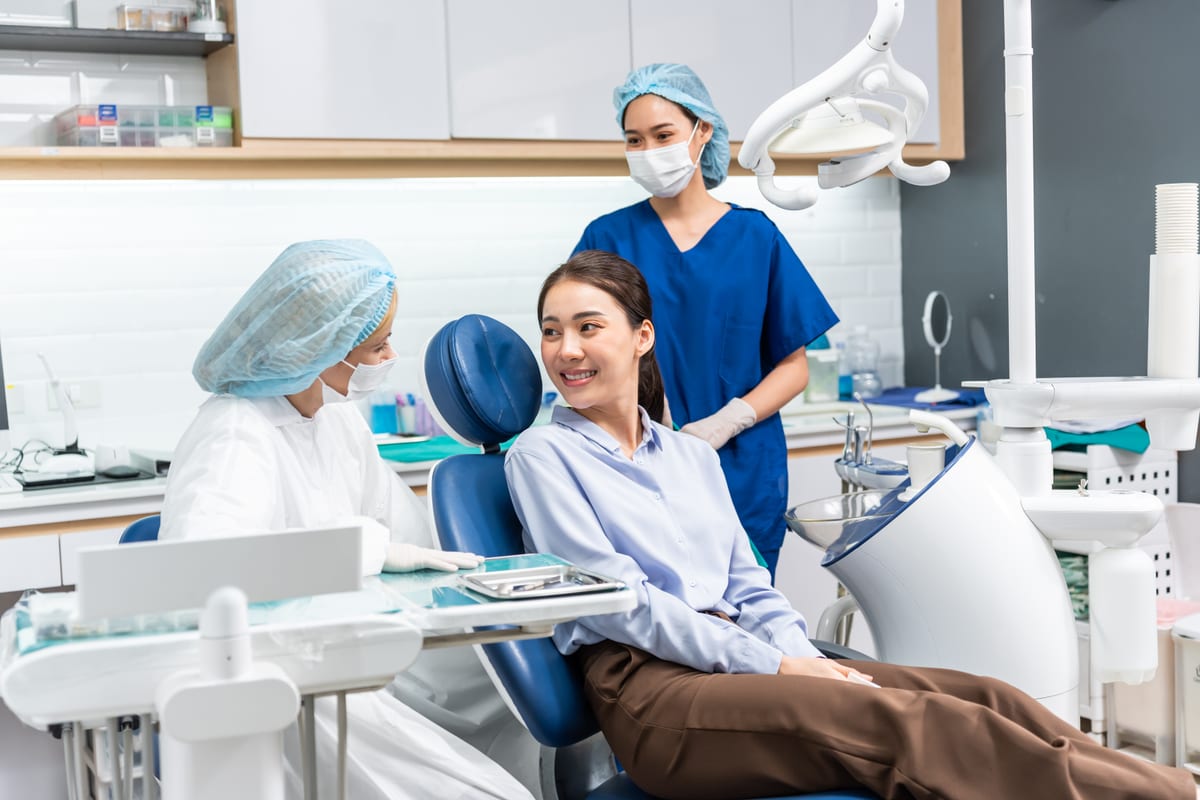
Spring View Dental conducts thorough evaluations before recommending any orthodontic treatment. Dr. Calabrese does not take a one-size-fits-all approach. Every patient’s bite, jaw structure, and dental health are reviewed carefully. The goal is to find the right solution — not just the most popular one.
Here is what the evaluation process looks like:
- Digital X-rays to assess bone levels and tooth roots
- Bite analysis to measure overbite, underbite, and crossbite severity
- 3D digital impressions to map current tooth position
- Review of any existing dental work or ongoing concerns
- Open conversation about your goals and lifestyle preferences
After this assessment, Dr. Calabrese will explain your candidacy clearly. If Invisalign is a good fit, you will understand why. If braces or another approach would serve you better, she will explain that too — with no pressure. South Elgin patients can trust that recommendations come from clinical need, not convenience.
Conclusion: Making the Right Choice for Your Smile
Invisalign is an excellent tool — but it is not the right tool for every situation. Severe crowding, significant jaw misalignment, and complex bite corrections often need traditional braces. Understanding your candidacy before committing to treatment saves you time, money, and disappointment. At Spring View Dental, Dr. Chessa A. Calabrese helps South Elgin patients navigate this decision with clarity and confidence. Book Now to schedule your appointment with our team.
Frequently Asked Questions
Can Invisalign fix a severe overbite?
Invisalign can correct mild to moderate overbites caused by tooth position. Severe overbites — especially those involving jaw structure — typically require traditional braces. In some cases, additional appliances or jaw surgery may be needed alongside braces for the best result.
How do I know if my crowding is too severe for Invisalign?
A clinical evaluation with X-rays and digital impressions is the only reliable way to determine this. Dr. Calabrese at Spring View Dental assesses how much tooth movement is needed. If movement exceeds what aligners can reliably achieve, braces will be recommended instead.
Is Invisalign faster than braces?
For mild cases, Invisalign treatment can be completed in 12 to 18 months. Traditional braces often take 18 to 24 months or longer for complex cases. However, the right treatment for your specific bite will always produce faster and better results than the wrong one.
Can I switch from Invisalign to braces if it is not working?
Yes, it is possible to transition to braces if Invisalign is not achieving the desired results. However, this can add time and cost to your overall treatment. The best approach is a thorough evaluation upfront so the right treatment is chosen from the start.
Does Dr. Calabrese offer Invisalign at Spring View Dental in South Elgin?
Yes, Dr. Chessa A. Calabrese offers Invisalign as part of a full range of orthodontic and cosmetic services at Spring View Dental. She evaluates each patient individually to determine whether Invisalign or another treatment option is the best fit for their smile goals and bite health.