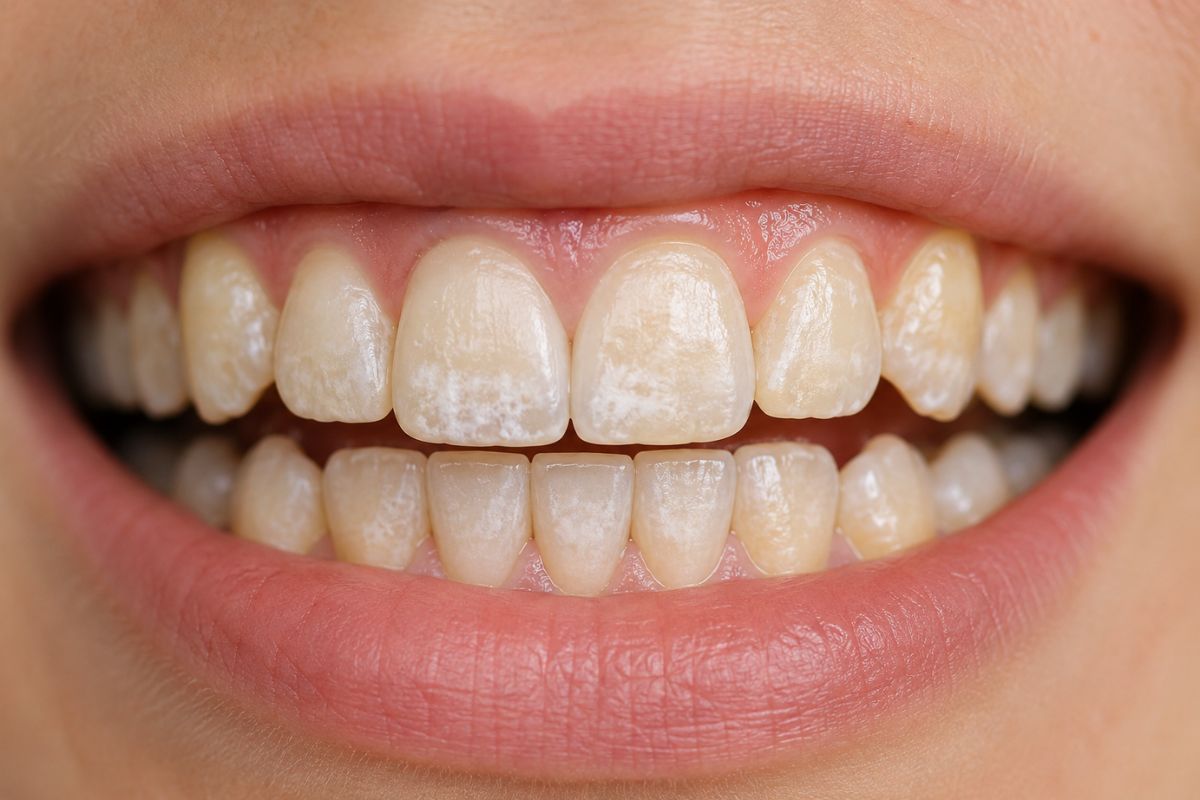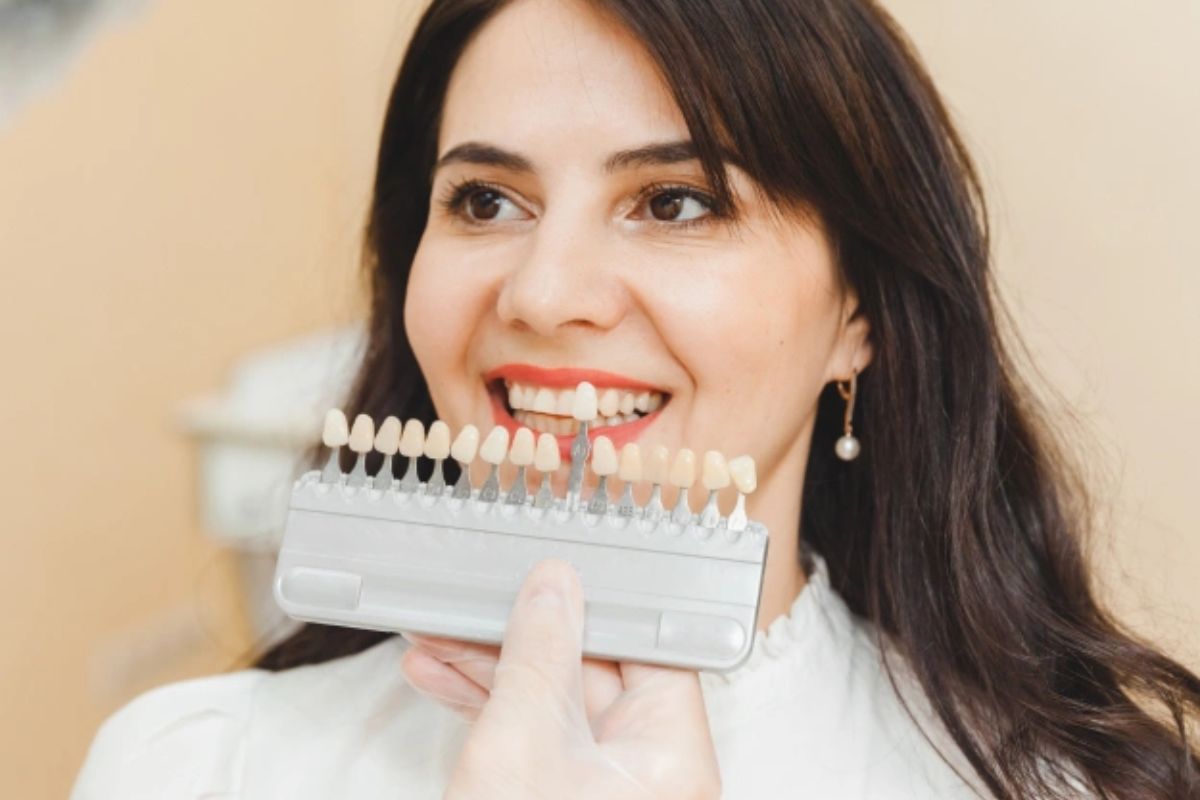

A gap between front teeth, also known as a diastema, can affect both confidence and appearance. Many patients look for simple solutions to close the space without undergoing major procedures. One option worth considering is dental bonding.
What Is Dental Bonding?
Dental bonding is a minimally invasive procedure where a tooth-colored resin material is applied and shaped onto your teeth. The resin is then hardened with a special light, creating a natural-looking finish. It’s one of the most affordable and effective ways to address gaps.
How Dental Bonding Closes the Gap
Bonding works by adding resin to the sides of the teeth near the gap. This reshaping creates a fuller appearance, effectively minimizing or even closing the space. Unlike braces or aligners, dental bonding provides immediate results in just one visit.
Who Can Benefit From Dental Bonding?
Patients often choose bonding because it’s painless, cost-effective, and quick. Dental bonding is a gentle, minimally invasive cosmetic treatment that typically requires no anesthesia and can be completed in under an hour per tooth. Bonding also preserves most of your natural tooth structure, making it a conservative choice compared to other cosmetic dental treatment options.
Limitations of Dental Bonding
While dental bonding delivers excellent results, it’s not always permanent. The resin material can stain or chip over time, especially if you consume coffee, wine, or tobacco. Typically, bonding lasts between three and ten years before needing touch-ups. For a longer-lasting fix, other options in Cosmetic Dentistry may be recommended.
Why Consult a Professional
Every smile is unique, so what works for one patient may not suit another. A skilled cosmetic dentist in South Elgin can evaluate your teeth and recommend whether bonding is the right choice. In some cases, veneers or orthodontics may provide a better long-term outcome.
FAQs About Dental Bonding for Gaps
Q1: Is dental bonding painful?
No, dental bonding is painless and usually doesn’t require anesthesia.
Q2: How long does bonding take?
Most bonding procedures take less than an hour per tooth, providing instant results.
Q3: Can bonding be reversed?
Yes, bonding is reversible since little to no natural tooth structure is removed.
Q4: How do I maintain bonded teeth?
Good oral hygiene, regular checkups, and avoiding hard foods help extend bonding’s lifespan.
Q5: Is bonding suitable for large gaps?
Bonding works best for small to moderate gaps. Larger gaps may need orthodontic treatment.