
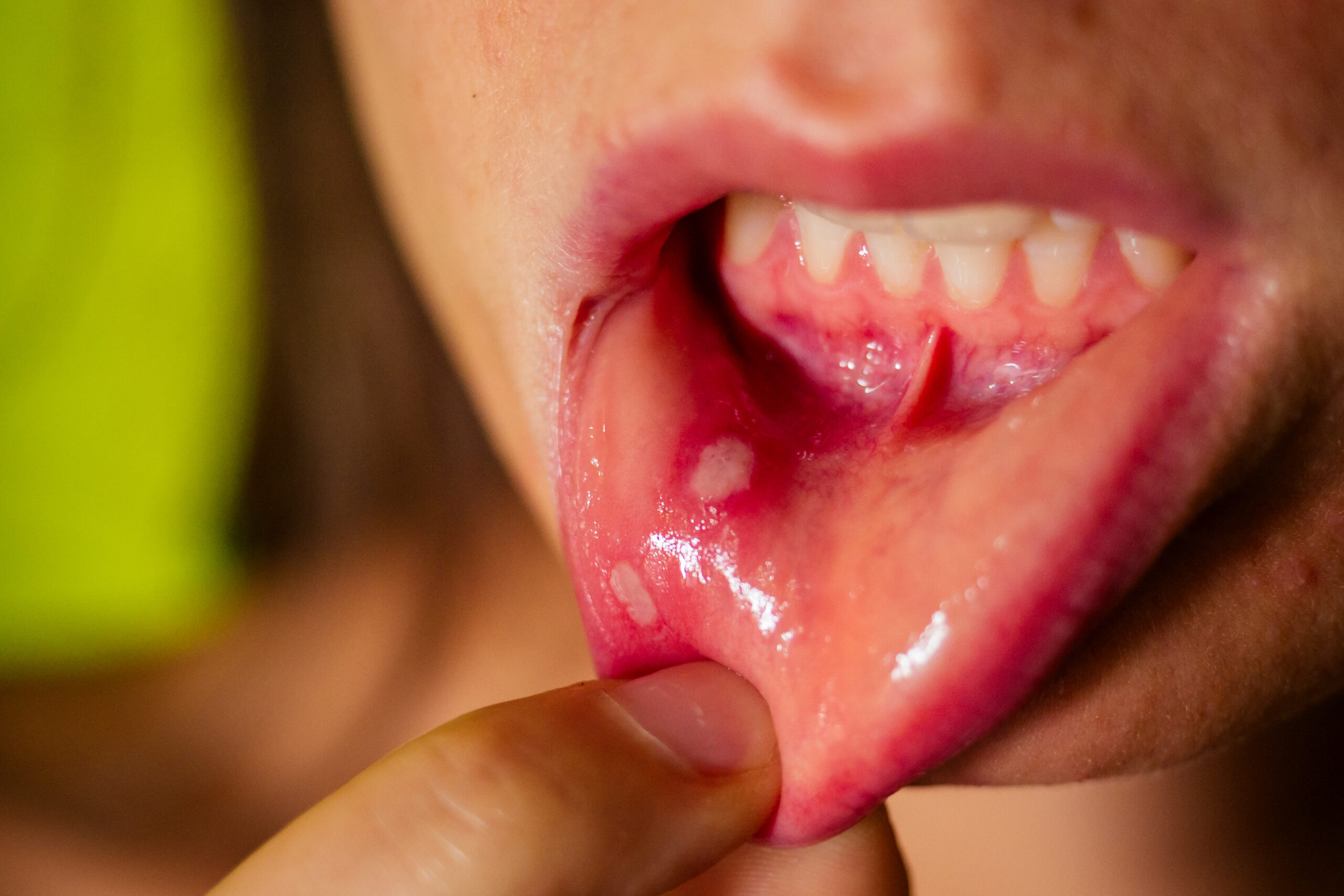
A little blood in the sink after brushing can be easy to brush off. Maybe you brushed too hard, skipped flossing for a few days, or figured it was just one of those things that happens. But repeated bleeding is your mouth waving a small red flag.
For families in South Elgin and the surrounding Fox Valley area, that is worth paying attention to. Bleeding, swollen, or tender gums can be signs of an underlying problem. Catching gum disease early can make a meaningful difference.
What Causes Bleeding Gums?
The most common culprit is plaque—the sticky film that builds up on your teeth throughout the day. When plaque is not removed regularly, it can contribute to inflammation of the gums. Over time, hardened tartar can build up and cannot be removed with ordinary brushing at home.
The National Institute of Dental and Craniofacial Research notes that red, swollen, tender, or bleeding gums are common symptoms, along with persistent bad breath and gums pulling away from teeth.
Another important point: bleeding does not automatically mean you have advanced gum disease. In fact, early gum disease is often gingivitis. Gingivitis is generally reversible with improved oral hygiene and professional care. Periodontitis is more serious because it can damage the tissues and bone that support your teeth.
Signs Your Gums Deserve a Closer Look
| What You Notice | What It May Mean |
|---|---|
| Gums bleed when brushing or flossing | Gum inflammation should be evaluated |
| Red or puffy gums | Possible gingivitis or irritation |
| Persistent bad breath | May be associated with gum problems |
| Gums pulling away from teeth | Possible recession or periodontal involvement |
| Loose or sensitive teeth | Can be a sign of advanced periodontal problems |
| Pain when chewing | Needs a dental evaluation |
The CDC explains that gum disease can progress without obvious symptoms, which is one reason routine dental visits matter, especially when gum disease may have few obvious symptoms. Smoking, diabetes, poor oral hygiene, certain medications, and other factors can also increase risk.
Why Ignoring Bleeding Can Backfire
Many people wait until something hurts before making a dental appointment. The problem is that periodontal problems do not always announce themselves with pain.
The American Dental Association notes that periodontitis can involve deep pockets, bleeding, gum recession, tooth mobility, and loss of supporting bone.
That is why persistent bleeding is better treated as a reason to check in—not something to simply tolerate.
Could It Be More Than Gum Irritation?
Sometimes bleeding has a straightforward explanation, such as brushing aggressively or using poor flossing technique. But if it keeps happening, it is smart to have a dentist look for the cause.
At Spring View Dental in South Elgin, the dental team evaluates periodontal health as part of comprehensive care. The practice also offers scaling and root planing, a deeper professional cleaning used when appropriate for periodontal treatment.
Dr. Chessa A. Calabrese has been part of the practice since 2015. She completed her dental training at Midwestern University College of Dental Medicine in Downers Grove and grew up in the Chicago suburbs.
What You Can Do at Home
Healthy gums start with consistent daily habits:
- Brush twice a day with fluoride toothpaste.
- Clean between your teeth every day with floss or another dentist-recommended method.
- Do not stop cleaning an area just because it bleeds; use a gentle technique and ask your dental team for guidance.
- Avoid smoking or tobacco products.
- Keep routine dental appointments so changes can be caught early.
The goal is not perfect brushing. It is consistent care and knowing when a symptom deserves professional attention.
When Should You Call a Dentist?
If your gums bleed once after an unusually vigorous brushing session, you do not necessarily need to panic. But recurring bleeding, swelling, recession, persistent bad breath, loose teeth, or discomfort should not be ignored.
For South Elgin patients, scheduling an evaluation at Spring View Dental can help identify whether the issue is simple inflammation or gum disease requiring more involved periodontal care. The office welcomes new patients and offers emergency appointments. Call (847) 622-0600 to schedule.
Frequently Asked Questions
1. Is bleeding while brushing normal?
Occasional bleeding can happen from irritation or brushing technique, but repeated bleeding is not something to ignore. It may signal inflammation or another gum problem and is worth discussing with a dentist.
2. Can gum disease be reversed?
Early gingivitis can often be reversed with better oral hygiene and professional care. Periodontitis is different: it cannot be reversed, but treatment can slow or manage the condition and help protect the tissues supporting your teeth.
3. Does flossing make bleeding worse?
Flossing may cause some bleeding when the gums are inflamed, especially if you have recently started cleaning between your teeth. Gentle, consistent daily cleaning is important, but persistent bleeding should be evaluated.
4. What Is Scaling and Root Planing?
Scaling and root planing is a professional deep-cleaning procedure used to remove plaque and tartar from above and below the gumline and smooth the tooth roots when clinically appropriate for gum disease.
5. Can Gum Problems Cause Bad Breath?
Yes. Persistent bad breath can be associated with gum problems, although it can have other causes as well. A dental evaluation can help determine what is behind it.
Protect Your Smile Before a Small Warning Becomes a Bigger Problem
Healthy gums are easy to take for granted—until they start bleeding. If your gums have been sending you that warning sign, listen to them.
For comprehensive periodontal care in South Elgin, IL, Spring View Dental is here to help you understand what is happening and what your next step should be. Call (847) 622-0600 or request an appointment online.