
If you’ve been told you might need a root canal, your first thought may be, “How painful is this going to be?” It’s a common concern. In fact, fear of discomfort is one of the biggest reasons people put off getting a painful tooth checked.
The good news is that modern dentistry has changed the experience considerably. Root Canal Treatment is performed with local anesthesia and is designed to relieve the pain caused by an infected or inflamed tooth—not create more of it.
At Spring View Dental, we believe patients deserve to know exactly what to expect before sitting in the dental chair. So, let’s separate fact from fiction.
Does a Root Canal Hurt?
For most patients, the procedure itself should not be painful because the dentist numbs the area thoroughly before treatment begins.
You may feel pressure, vibration, or movement while your dentist works on the tooth, but sharp pain should not be expected. If you do feel uncomfortable, let your dental team know. Additional anesthetic can usually be provided.
Interestingly, the toothache that leads someone to the dentist can often be much more uncomfortable than the treatment itself.
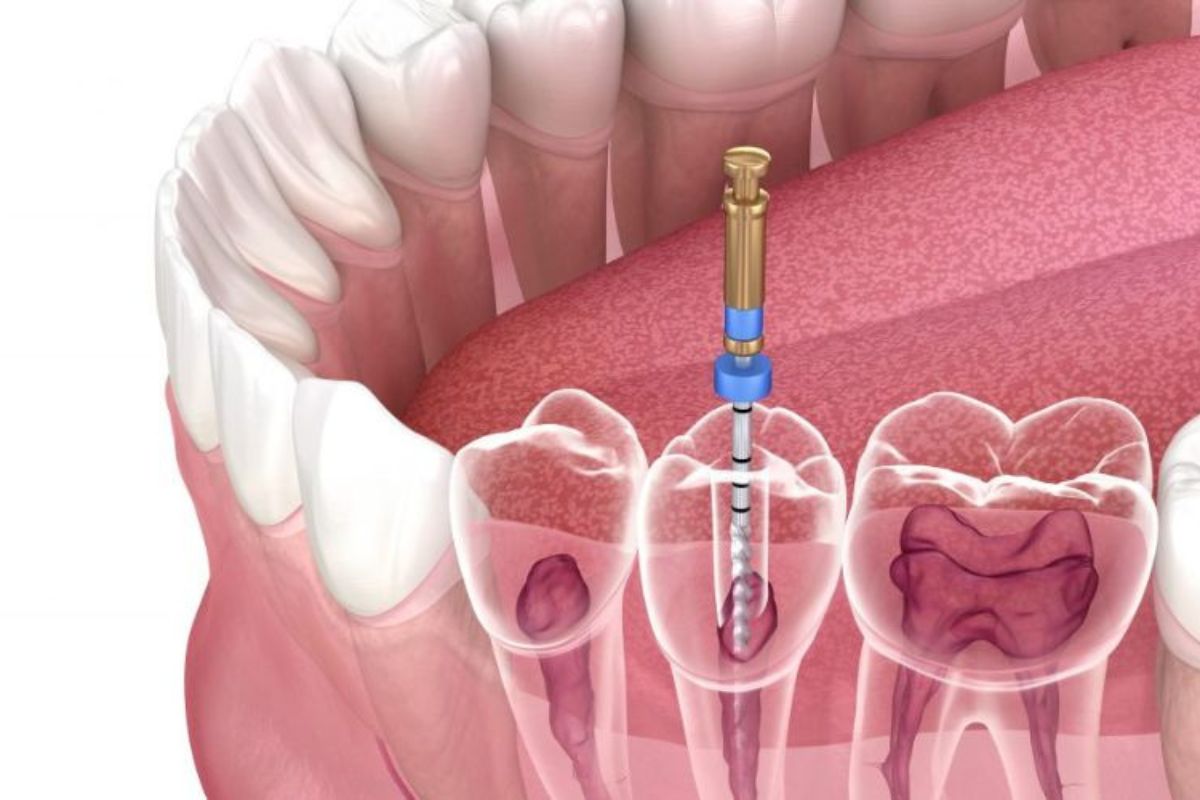
Root Canal Treatment removes the inflamed or infected pulp inside the tooth, cleans the root canals, and seals the tooth to help prevent further infection.
What Patients May Feel
| Stage | What you may experience |
|---|---|
| Before treatment | Toothache, sensitivity, swelling, or discomfort |
| During treatment | Pressure, vibration, or mild sensations |
| Immediately afterward | Mild tenderness or sensitivity |
| Next few days | Temporary soreness when biting |
| After healing | Significant improvement in tooth-related pain |
Why Does a Tooth Need a Root Canal?
Inside every tooth is a soft area called the pulp. It contains nerves and blood vessels. Deep decay, a crack, trauma, or repeated dental procedures can damage this tissue.
When the pulp becomes inflamed or infected, you may notice:
- Persistent tooth pain
- Sensitivity to hot or cold
- Pain when chewing or biting
- Swollen or tender gums
- A pimple or bump on the gums
- Darkening of the tooth
- Pain that wakes you up at night
Not everyone experiences severe symptoms. Sometimes an infection is discovered during a routine dental examination or X-ray.
That is one reason regular dental visits matter—even when your teeth don’t hurt.
What Happens During Root Canal Treatment?
Understanding the process can make the appointment feel much less intimidating.
1. Your dentist examines the tooth
Your dentist evaluates your symptoms and may use dental X-rays to determine whether the pulp is infected or damaged.
2. The tooth is numbed
Local anesthesia is used to make the treatment area comfortable.
3. The infected tissue is removed
A small opening is made in the tooth, allowing the dentist to access and remove the damaged pulp.
4. The canals are cleaned
The root canals are carefully cleaned and shaped to remove bacteria and infected tissue.
5. The tooth is sealed
The cleaned canals are filled and sealed to help prevent bacteria from getting back inside.
6. The tooth is restored
Depending on the condition of the tooth, a filling or dental crown may be recommended to restore strength and function.
The goal of Root Canal Treatment is to save your natural tooth whenever possible.
What Causes the Most Pain—The Procedure or the Infection?
This is where many patients are surprised.
An infected tooth can cause significant inflammation around the nerve and surrounding tissues. That pressure may lead to throbbing pain, sensitivity, or discomfort when biting.
Once the source of the problem is treated, that pain can improve considerably.
In other words, Root Canal Treatment isn’t intended to cause the toothache. It is intended to address the underlying problem causing it.
How Long Does Root Canal Recovery Take?
Most people can return to their normal routine relatively quickly. Some tenderness may occur for a few days, particularly when chewing.
Your dentist may recommend avoiding chewing hard foods on the treated tooth until the final restoration is completed.
If pain becomes severe, swelling increases, or symptoms don’t improve as expected, contact your dental office.
What If You Avoid Treatment?
Putting off Root Canal Treatment doesn’t necessarily make the problem disappear.
An infected tooth may continue to deteriorate, and the infection can potentially spread to surrounding tissues. In some situations, delaying treatment can also leave extraction as the only practical option.
That’s why persistent tooth pain deserves attention—even if it temporarily disappears.
Pain that suddenly stops isn’t always a sign that the tooth has healed. In some cases, the nerve inside the tooth may have died.
Root Canal vs. Extraction
Patients sometimes assume that removing a painful tooth is easier than saving it. But these options have different long-term considerations.
| Root Canal | Extraction |
|---|---|
| Preserves your natural tooth | Removes the natural tooth |
| Maintains natural biting function | May require replacement |
| Usually followed by restoration | May involve an implant, bridge, or other replacement |
| Treats infected pulp | Removes the entire tooth |
Your dentist can evaluate your specific situation and explain which option makes the most sense.
When Should You See a Dentist?
Don’t wait until tooth pain becomes unbearable.
Schedule an evaluation if you have persistent sensitivity, pain while chewing, swelling, a cracked tooth, or a toothache that keeps returning.
For patients in South Elgin and the surrounding Fox Valley area, getting an evaluation early can help identify problems before they become more complicated.
At Spring View Dental, our goal is to make dental treatment understandable and comfortable. If you’re worried about Root Canal Treatment, talk with your dental team about your concerns before the procedure. Knowing what to expect can make a big difference.
Frequently Asked Questions
1. Does a root canal hurt more than getting a filling?
Generally, patients should not experience significant pain during either procedure when the tooth is properly numbed. A root canal is more involved because it treats the inside of the tooth.
2. How long does root canal pain last afterward?
Some tenderness or sensitivity can occur for a few days. If discomfort becomes severe or continues to worsen, contact your dentist.
3. Can I avoid a root canal with antibiotics?
Antibiotics may sometimes be prescribed when there is a bacterial infection with certain symptoms, but they don’t remove infected pulp from inside a tooth. Your dentist determines the appropriate treatment.
4. Is it better to get a root canal or have the tooth pulled?
When a tooth can be predictably saved, preserving the natural tooth is often preferable. However, extraction may be recommended when the tooth cannot be restored.
5. How do I know if I need a root canal?
Persistent tooth pain, sensitivity, swelling, pain when biting, or a damaged tooth can be warning signs. Only a dental examination can determine whether Root Canal Treatment is appropriate.
Don’t Let Fear Keep You From Treating a Painful Tooth
If you’re delaying a dental visit because you’re worried about pain, you’re not alone. But modern techniques and effective anesthesia have made Root Canal Treatment far more comfortable than its reputation suggests.
The bigger concern may be allowing an infection or damaged tooth to progress without treatment.
If you’re experiencing persistent tooth pain or think you may need a root canal, contact Spring View Dental at +1 847-622-0600 to schedule an evaluation. Getting answers early can help you understand your options and protect your natural smile.