If you’ve ever looked in the mirror and wished your teeth were a little straighter—but didn’t love the idea of wearing metal braces—you’re not alone.
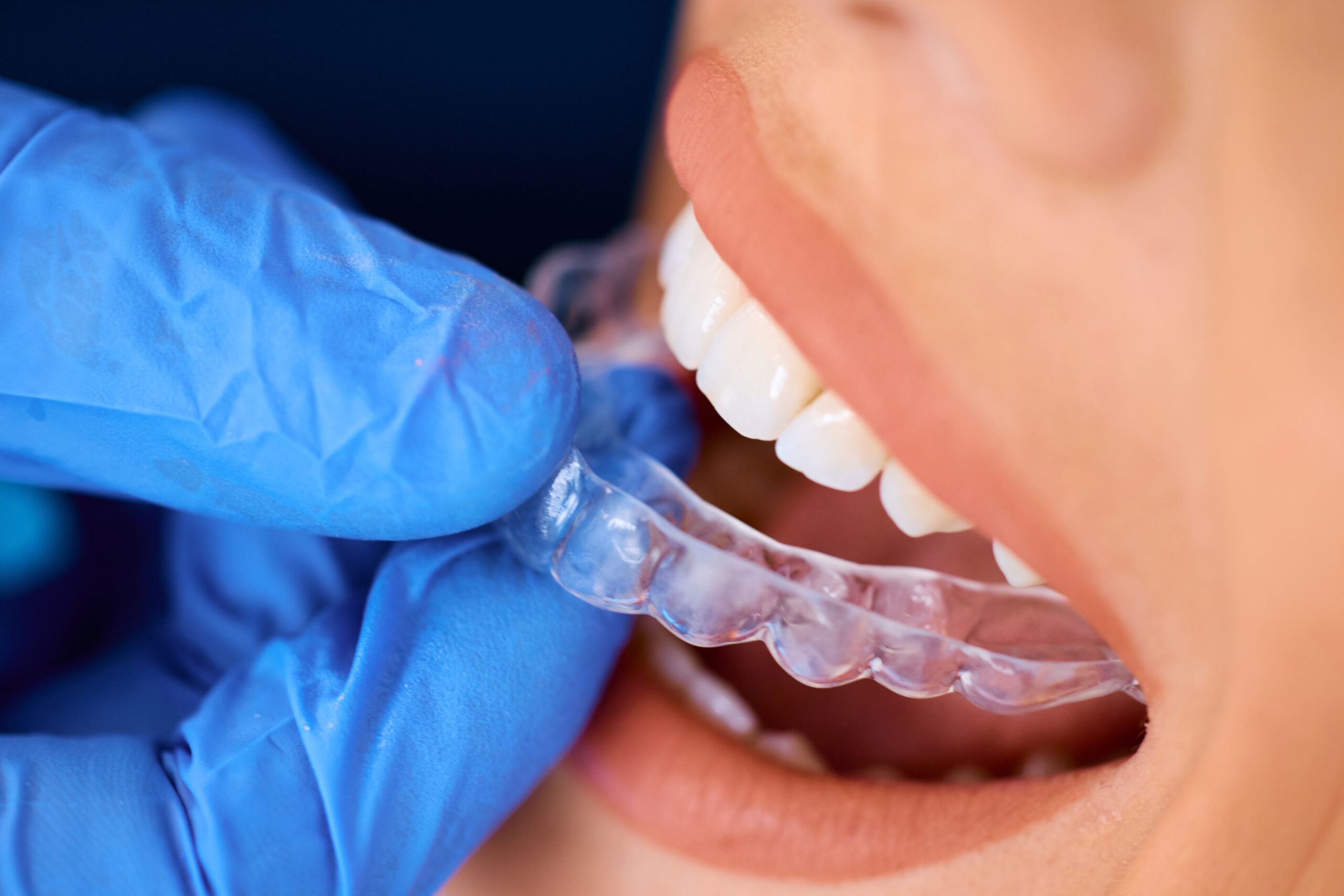
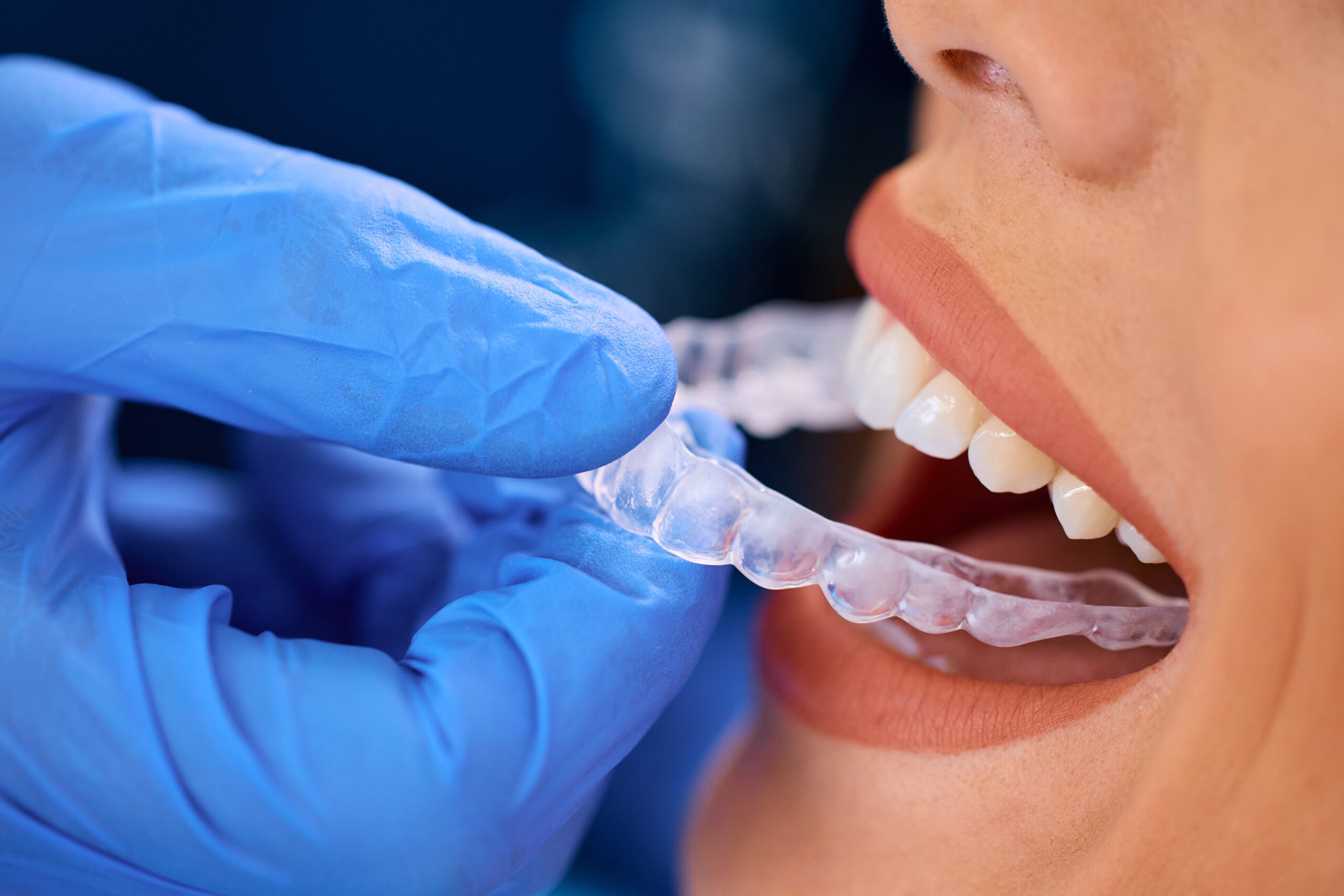
For adults and teens around South Elgin, Elgin, St. Charles, Bartlett, and the surrounding Fox Valley area, Invisalign® clear aligners can be an appealing way to improve tooth alignment without brackets and wires.
But there’s more to Invisalign than simply putting in a clear tray and waiting for your smile to change.
At Spring View Dental, we offer a complimentary Invisalign consultation, giving patients the opportunity to ask questions and find out whether clear aligner treatment makes sense for their smile.
If you’re searching for Invisalign in South Elgin, IL, here’s what you should know before taking the next step.
1. Invisalign Is Removable—But That Doesn’t Mean You Can Forget About It
One of the biggest advantages of Invisalign is also one of its biggest responsibilities.
The aligners can be removed when you eat, drink, brush, and floss. However, successful treatment depends on wearing them consistently. Invisalign generally recommends wearing aligners for 20–22 hours a day, unless your dentist provides different instructions.
That means Invisalign can fit around a busy workday, school schedule, family dinner, or weekend plans—but you still need to make wearing your aligners part of your routine.
| Invisalign advantage | What it requires from you |
|---|---|
| Removable aligners | Remember to put them back in |
| Eat normally | Remove aligners before eating |
| Easy brushing and flossing | Clean your teeth before replacing them |
| Virtually invisible | Wear them consistently |
| Fewer food restrictions than braces | Keep your aligners clean |
Bottom line: Invisalign offers flexibility, but it isn’t a “set it and forget it” treatment.
2. Invisalign Isn’t Right for Every Smile
It’s easy to assume that because Invisalign is popular, it can fix every orthodontic problem.
That’s not necessarily the case.
Clear aligners can be used to address many alignment concerns, including certain cases of crowded or crooked teeth and bite problems. But your treatment needs to be evaluated individually.
The American Association of Orthodontists (AAO) emphasizes that diagnosis should come first and that clear aligners may not be the best option for every patient or every orthodontic problem.
Your dentist will consider factors such as:
- The position of your teeth
- Your bite
- Gum health
- Existing dental problems
- The amount of tooth movement needed
- Your overall treatment goals
That’s why a professional consultation matters.
3. Your Teeth and Gums Need to Be Healthy Before You Start
Wanting a straighter smile shouldn’t mean overlooking the health of the teeth underneath it.
Before orthodontic treatment, your dentist should evaluate your oral health. Existing cavities, gum problems, or other concerns may need attention before you begin moving your teeth.
The AAO notes that poor periodontal health can make orthodontic treatment riskier, potentially contributing to problems such as gum recession, root shortening, or tooth loss.
This is also why dentist-supervised treatment is important.
The American Dental Association (ADA) discourages unsupervised, direct-to-consumer orthodontic treatment because moving teeth without a proper dental evaluation can potentially lead to gum problems, bite issues, bone loss, tooth loss, or other complications.
4. You May Feel Some Pressure—And That’s Normal
One common question we hear is: “Does Invisalign hurt?”
You may notice some pressure, tightness, or mild discomfort when you begin wearing a new set of aligners. That’s because the aligners are designed to apply controlled forces to gradually move your teeth.
For many people, the sensation is temporary and becomes easier to manage as they adjust.
Think of it as your teeth getting used to something new—not necessarily a sign that something is wrong.
If discomfort is significant, persistent, or unusual, however, contact your dental provider rather than simply trying to push through it.
5. Your Daily Routine Matters More Than You Might Expect
Invisalign may look simple, but your everyday habits can influence your treatment experience.
When you remove your aligners to eat, it’s important to maintain good oral hygiene before putting them back in. The ADA recommends brushing twice daily with fluoride toothpaste and cleaning between your teeth daily as part of maintaining oral health.
A few practical habits can make Invisalign easier:
Keep your case with you. Don’t wrap your aligners in a napkin at a South Elgin restaurant and accidentally throw them away.
Carry a travel toothbrush. It’s helpful when you’re eating away from home.
Clean your aligners regularly. Invisalign recommends cleaning aligners and storing them properly when they’re removed.
Don’t use hot water. Hot water can damage or distort aligners.
And perhaps most importantly: don’t leave your aligners out for hours at a time.
6. Finishing Invisalign Isn’t the End of Treatment
This is one of the details people sometimes overlook.
After your teeth have been moved into their new positions, you’ll typically need a retainer to help maintain your results. Teeth naturally have a tendency to shift over time, so retention is an important part of orthodontic treatment.
In other words:
Aligners move your teeth. Retainers help keep them there.
When you’re considering Invisalign in South Elgin, IL, professional evaluation gives you the opportunity to discuss your oral health, treatment goals, expected results, and alternatives before beginning.
What Should You Ask at Your Invisalign Consultation?
Before starting treatment, don’t be afraid to ask direct questions.
| Question | Why it matters |
|---|---|
| Am I a good Invisalign candidate? | Not every case is suited to clear aligners |
| How long might my treatment take? | Treatment varies by individual case |
| How many hours should I wear my aligners? | Consistency affects treatment progress |
| What will my total treatment cost be? | Helps you plan financially |
| Will I need attachments or refinements? | Some cases require additional treatment steps |
| What happens after treatment? | Retainers help maintain your results |
At Spring View Dental, the goal isn’t simply to sell you a cosmetic treatment. It’s to determine whether Invisalign is an appropriate option for your teeth, your oral health, and your goals.
Frequently Asked Questions About Invisalign
1. How many hours a day should I wear Invisalign?
Most Invisalign patients are advised to wear their aligners for approximately 20–22 hours per day. Your dentist may provide specific instructions based on your treatment plan.
2. Can I eat while wearing Invisalign?
Aligners should generally be removed before eating. Because they are removable, you can continue enjoying your usual foods, provided you maintain good oral hygiene.
3. Does Invisalign hurt?
You may experience mild pressure or temporary discomfort when starting treatment or changing aligners. Significant or persistent pain should be discussed with your dentist.
4. Can Invisalign fix crowded teeth?
Invisalign can treat many cases of tooth crowding, but suitability depends on the severity and characteristics of your individual case. A professional evaluation is necessary to determine whether clear aligners are appropriate.
5. Will my teeth move again after Invisalign?
They can. Teeth naturally tend to shift, which is why wearing a retainer after orthodontic treatment is an important part of maintaining your results.
Trusted Dental Resources
For additional evidence-based information about orthodontic treatment and oral health, patients can explore resources from the American Dental Association (ADA) and American Association of Orthodontists (AAO). The ADA specifically recommends professional oversight for orthodontic treatment rather than unsupervised, direct-to-consumer approaches.
Invisalign in South Elgin, IL: Is It Right for You?
If you’ve been thinking, “I wish my teeth were straighter, but I don’t want traditional braces,” Invisalign may be worth exploring.
Spring View Dental provides Invisalign treatment for patients looking for a more discreet approach to straightening their smiles. The practice has served the community for more than 30 years, and Dr. Chessa A. Calabrese, who joined the practice in 2015, completed her dental training at Midwestern University College of Dental Medicine in Downers Grove, Illinois.
The best way to know whether Invisalign is right for you is to have your smile evaluated by a dental professional.
Spring View Dental offers Invisalign consultations for patients who want to learn more about their options. If you’re considering Invisalign in South Elgin, IL, call (847) 622-0600 to schedule a consultation.