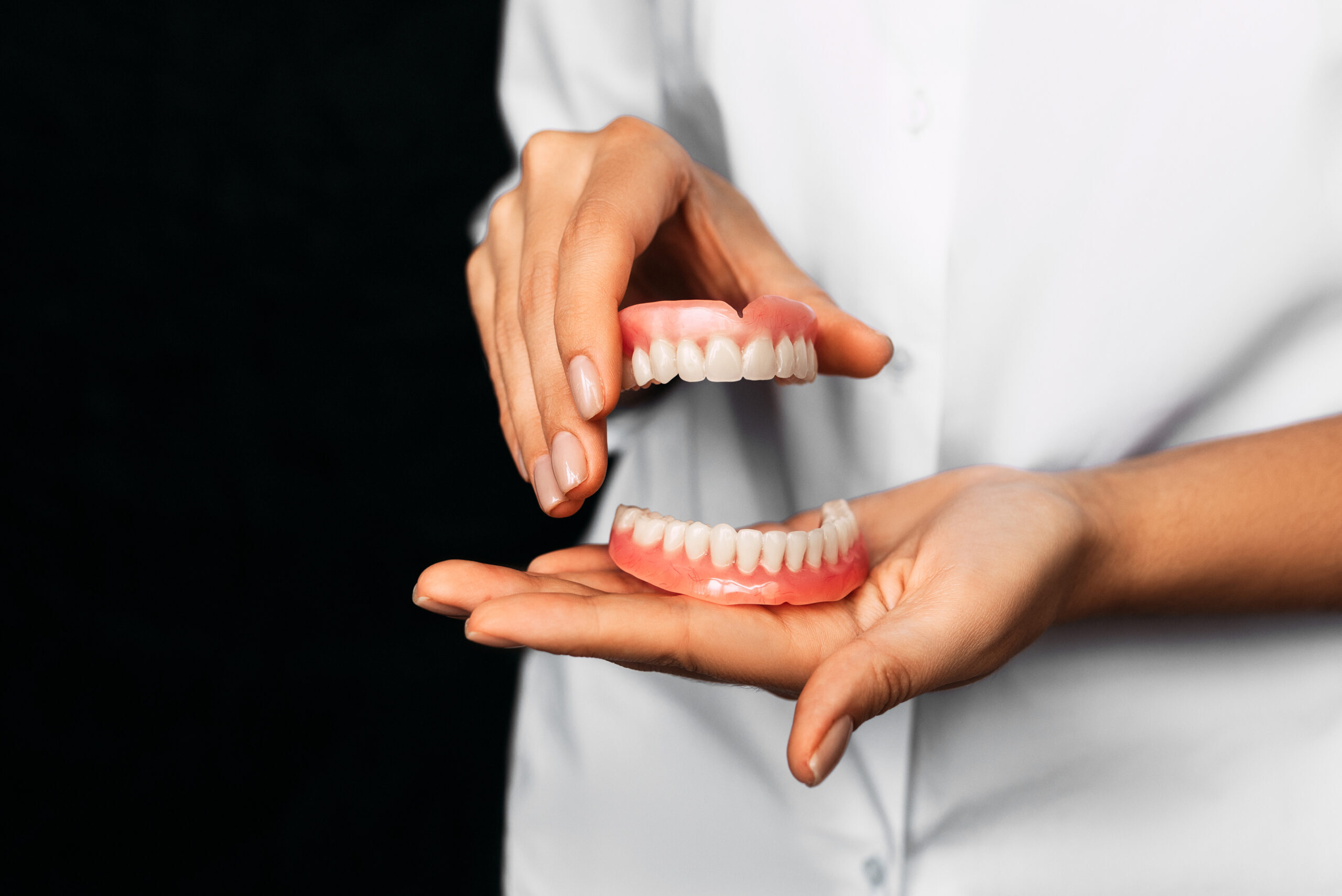
If your dentures have started feeling a little different lately, it may be tempting to chalk it up to getting older or simply needing more time to adjust. But dentures aren’t supposed to constantly move, pinch, rub, or make eating difficult.
Over time, changes in your gums, jawbone, and oral tissues can affect the way dentures fit. What once felt secure can gradually become loose or uncomfortable.
For patients in South Elgin, St. Charles, Elgin, Bartlett, and surrounding Fox Valley communities, recognizing the signs of ill-fitting dentures can help you address the problem before it interferes with your everyday life.
Here are five signs that your dentures may no longer fit the way they should.
1. Your Dentures Slip When You Eat or Talk
A little movement can happen with dentures, particularly while you’re getting used to a new set. But persistent slipping isn’t something you should simply accept.
If your dentures shift when you chew, speak, laugh, or yawn, the fit may need to be evaluated.
Loose dentures can also make certain foods difficult to eat and may cause you to avoid meals you once enjoyed.
A good-fitting denture should feel stable and allow you to speak and eat comfortably.
2. Your Gums Are Sore or Irritated
Do you notice red, tender, or irritated areas after wearing your dentures?
Repeated rubbing or pressure can be a sign that your dentures aren’t sitting correctly.
Some patients try to solve the problem by wearing their dentures for fewer hours each day. While taking dentures out for routine cleaning and rest is important, regularly removing them because they hurt isn’t a long-term solution.
A dental professional can determine whether your dentures need an adjustment, repair, replacement, or another approach.
3. Eating Has Become More Difficult
One of the biggest reasons people choose dentures is to restore their ability to eat comfortably. So if you’ve gradually started avoiding certain foods, pay attention.
You may notice that:
- You avoid tougher or crunchier foods.
- You chew primarily on one side.
- Food gets underneath your dentures.
- Your dentures move while chewing.
- You feel like you can’t bite properly.
These changes may indicate that your dentures aren’t providing the stability you need.
Denture Problems at a Glance
| What You’re Experiencing | What It May Indicate |
|---|---|
| Dentures slipping | Loss of fit or stability |
| Sore gums | Pressure or friction |
| Difficulty chewing | Poor fit or reduced stability |
| Clicking while speaking | Denture movement |
| Food getting underneath | Gaps between denture and tissues |
The exact cause can only be determined through an evaluation by a dental professional.
4. Your Dentures Click When You Speak
A clicking sound when you talk may seem minor, but it’s one of those small changes worth mentioning to your dentist.
If dentures move against each other or your oral tissues while you speak, they may no longer be fitting as securely as they once did.
You might also notice changes in your speech, such as difficulty pronouncing certain words or feeling like you have to consciously control your dentures while talking.
That can become frustrating, particularly during conversations, family gatherings, or social events.
5. Your Dentures Look or Feel Different Than They Used To
Your mouth doesn’t stay exactly the same throughout your lifetime.
After teeth are lost, the jawbone and surrounding tissues can gradually change. As these changes occur, dentures that once fit well may become less stable.
You may notice:
- Your dentures feel loose.
- Your facial appearance seems different.
- Your bite doesn’t feel the same.
- Your dentures sit differently.
- You need more adhesive to keep them in place.
Needing some denture adhesive doesn’t automatically mean something is wrong. However, if you’re increasingly dependent on adhesive to keep your dentures secure, it’s worth discussing with your dentist.
Do You Need New Dentures or Just an Adjustment?
Not every denture problem means you need an entirely new set.
Depending on what’s causing the issue, your dentist may recommend an adjustment, repair, relining, or replacement.
| Situation | Possible Approach |
|---|---|
| Minor discomfort | Denture adjustment |
| Changes in tissue fit | Relining may be considered |
| Damaged denture | Repair may be possible |
| Significant wear or poor fit | Replacement may be recommended |
| Major oral changes | Comprehensive evaluation |
The right solution depends on the condition of your dentures and your current oral health.
Why You Shouldn’t Ignore an Ill-Fitting Denture
Putting off a denture evaluation may seem harmless, especially if the discomfort is manageable.
But continually wearing an uncomfortable or unstable denture can affect your ability to eat and speak comfortably. Persistent rubbing may also irritate oral tissues.
More importantly, you shouldn’t have to organize your daily life around keeping your dentures from slipping.
If your dentures don’t feel the way they used to, that’s a good reason to schedule an appointment and find out what’s changed.
Caring for Your Dentures Between Appointments
Good denture care can help keep your dentures and mouth healthier.
A few simple habits can make a difference:
- Clean your dentures regularly according to your dentist’s instructions.
- Handle them carefully when removing or inserting them.
- Keep them appropriately stored when they’re not being worn.
- Don’t try to reshape or repair them yourself.
- Maintain regular dental visits even if you no longer have natural teeth.
- Tell your dentist about persistent soreness, movement, or changes in fit.
And remember: your gums and oral tissues still need attention even when you’re wearing full dentures.
When Should You Talk to a Dentist?
If your dentures have gradually become uncomfortable, loose, or difficult to use, don’t wait until they become unbearable.
A denture evaluation at Spring View Dental can help determine whether your dentures need an adjustment, repair, relining, replacement, or another treatment.
For patients throughout South Elgin and the surrounding Fox Valley area, getting the issue evaluated can be the first step toward a more comfortable and confident smile.
Frequently Asked Questions About Ill-Fitting Dentures
1. How do I know if my dentures are too loose?
Frequent slipping while eating or speaking, clicking noises, sore spots, difficulty chewing, and increased reliance on denture adhesive can all indicate that your dentures may need evaluation.
2. Can dentures become loose over time?
Yes. Changes in the gums, oral tissues, and jawbone can affect how dentures fit over time. Dentures themselves can also become worn.
3. Can ill-fitting dentures hurt my gums?
They can cause irritation and sore spots when they repeatedly rub against oral tissues. Persistent discomfort should be evaluated by a dental professional.
4. Do loose dentures always need to be replaced?
Not necessarily. Depending on the condition of the dentures and changes in your mouth, an adjustment, repair, or reline may be appropriate. Sometimes replacement is the better option.
5. How long should dentures last?
There isn’t one fixed lifespan for every set of dentures. Wear, changes in your mouth, oral health, and how the dentures are maintained can all affect how long they remain functional and comfortable.
Your Dentures Should Help You Live Normally—Not Hold You Back
Dentures are meant to help restore everyday functions like eating and speaking while supporting your smile. If yours have become uncomfortable or unstable, you don’t have to simply put up with it.
Spring View Dental can evaluate your current dentures and help you understand your options.
If you’re in South Elgin, Elgin, St. Charles, Bartlett, or a nearby Fox Valley community and you’re experiencing loose, painful, or uncomfortable dentures, call +1 847-622-0600 to schedule an appointment.
Dr. Chessa A. Calabrese and the Spring View Dental team are committed to helping patients make informed decisions about their oral health and find dental solutions that fit their individual needs.