Many people in South Elgin choose root canal treatment to save a damaged or infected tooth and avoid extraction. The procedure has a strong track record and helps millions of patients keep their natural teeth every year. Most treated teeth remain healthy for many years, often for a lifetime.
Still, some patients are surprised when discomfort returns months or even years after treatment. They may wonder if something went wrong or if the tooth can be saved again. While root canal treatment is highly successful, there are situations where a treated tooth does not heal as expected.
Understanding why this can happen and what options are available can help you make informed decisions about your oral health. The good news is that modern dentistry offers effective solutions that can often preserve the tooth and restore comfort.
What Is a Root Canal Treatment?
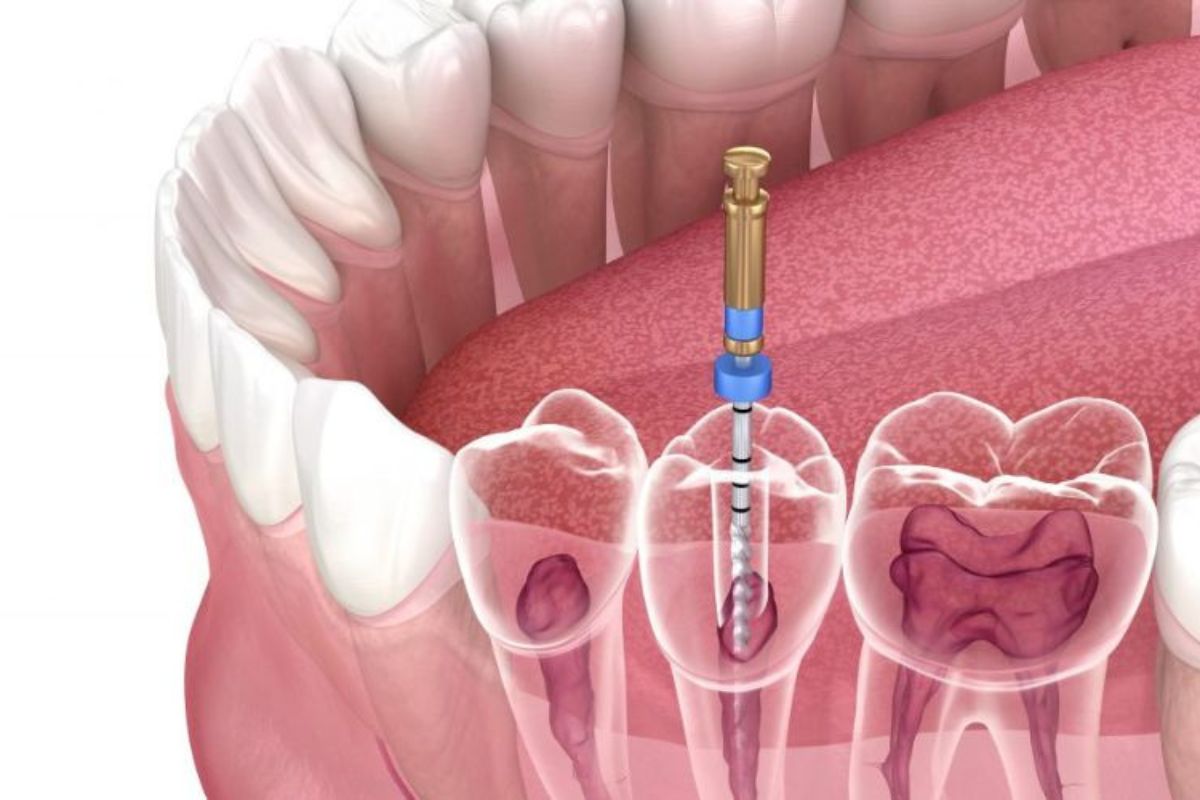
A root canal treatment removes infected or damaged tissue from inside a tooth. Deep inside each tooth is a soft area called the pulp. This tissue contains nerves, blood vessels, and connective tissue.
When bacteria reach the pulp because of decay, trauma, or a crack in the tooth, infection can develop. If left untreated, the infection can spread and cause severe pain, swelling, and bone loss around the tooth.
During treatment, the dentist carefully removes the infected pulp, cleans the canals, disinfects the area, and seals the tooth. In many cases, a crown is placed afterward to strengthen and protect the tooth. Most patients experience pain relief and can continue using the tooth normally after recovery.
Can a Root Canal Fail?
Yes, although it is uncommon, a treated tooth can develop problems after the initial procedure. Failure does not necessarily mean the original treatment was performed incorrectly. Teeth are complex structures, and certain conditions can affect healing even when treatment is completed properly.
In some cases, symptoms appear shortly after treatment. In others, the tooth may remain comfortable for years before new issues develop.
When this happens, dentists evaluate the cause and determine whether retreatment or another procedure can help save the tooth.
Common Reasons a Root Canal May Fail
Several factors can contribute to ongoing infection or delayed healing.
Hidden Canal Anatomy
Some teeth have complex root structures that are difficult to identify. Tiny canals may branch off from the main canal system. If bacteria remain in these areas, infection can continue despite treatment.
Advances in imaging technology have made these hidden spaces easier to detect, but anatomical variations can still present challenges.
New Decay
A treated tooth is still vulnerable to cavities. If decay develops around a filling or crown, bacteria can enter the tooth and create a new infection.
Maintaining good oral hygiene remains important even after treatment.
Cracked Teeth
A crack can allow bacteria to enter areas that were previously sealed. Some cracks are difficult to detect during routine examinations and may worsen over time.
As bacteria spread through the crack, infection may return.
Delayed Crown Placement
After treatment, many teeth require a permanent crown for protection. Delaying this restoration can increase the risk of damage or contamination.
A weakened tooth may fracture or become reinfected if left unprotected.
Restoration Problems
Over time, fillings and crowns can wear down or become loose. Small openings may allow bacteria to enter the tooth and surrounding tissues.
Regular dental checkups help identify these issues before they become serious.
Signs That a Root Canal May Need Retreatment
A tooth that requires additional treatment may show several warning signs. Some symptoms are obvious, while others are discovered during routine dental visits.
Common signs include:
- Persistent tooth pain
- Sensitivity when biting or chewing
- Swelling around the gums
- A pimple-like bump on the gum tissue
- Tenderness near the treated tooth
- Tooth discoloration
- Recurring infection
- Changes visible on dental X-rays
Not every failed treatment causes pain. Some patients feel completely normal and learn about the issue during an examination. That is one reason regular dental visits remain important even after successful treatment.
Understanding Root Canal Retreatment
When a previously treated tooth develops a new infection, retreatment is often the first option considered.
During Root canal retreatment, the dentist reopens the tooth and removes the existing filling material from the canals. The canals are then carefully examined to identify any areas that may have been missed or affected by a new infection.
The dentist thoroughly cleans and disinfects the inside of the tooth before placing a fresh filling. Once the canals are sealed again, a new restoration may be placed to protect the tooth.
Retreatment gives the tooth another opportunity to heal and remain functional for many years.
What Happens During the Retreatment Process?
Many patients feel nervous when they hear they need retreatment. Fortunately, the process is similar to the original procedure.
First, the dentist evaluates the tooth using clinical exams and imaging. This helps determine the source of the problem.
Next, the existing crown or restoration may be removed to access the root canals.
The canals are cleaned, disinfected, and reshaped as needed. Modern tools and magnification allow dentists to locate hidden spaces that may have contributed to the infection.
After cleaning, the canals are sealed again, and the tooth is restored.
Recovery is often comparable to the original treatment, with many patients returning to normal activities quickly.
When Is Endodontic Surgery Needed?
In some situations, retreatment alone may not solve the problem. If the infection remains near the root tip, a procedure called an apicoectomy may be recommended. During this treatment, the dentist or specialist removes the infected tissue and seals the root from the end.
This approach can help preserve a tooth when conventional retreatment is not enough. Although surgery can sound intimidating, modern techniques have significantly improved comfort and outcomes.
How Successful Is Root Canal Retreatment?
Root canal retreatment has a high success rate when the underlying issue can be identified and corrected. Many retreated teeth remain healthy and functional for years. Success often depends on factors such as:
- The condition of the tooth
- The amount of remaining tooth structure
- The extent of infection
- The quality of the final restoration
- The patient’s oral hygiene habits
Early diagnosis often improves treatment outcomes.
How to Reduce the Risk of Future Problems
While not every complication can be prevented, patients can take several steps to protect treated teeth.
- Brush and floss consistently each day.
- Attend regular dental checkups and cleanings.
- Avoid chewing hard objects that may crack teeth.
- Follow recommendations for crowns and other restorations.
- Seek dental care promptly if you notice pain, swelling, or unusual symptoms.
A proactive approach can help identify small concerns before they become larger problems.
Why Early Evaluation Matters
Many people ignore occasional discomfort because they assume a treated tooth cannot become infected again. Unfortunately, delaying care often allows problems to worsen.
The sooner a dentist identifies the cause of symptoms, the more treatment options may be available. Prompt evaluation can help preserve the tooth, reduce discomfort, and prevent infection from affecting surrounding structures.
Give Your Tooth a Second Chance With Expert Care
If you are experiencing discomfort in a previously treated tooth or have concerns about an old root canal, professional evaluation can help identify the cause and determine the best path forward. The team at Spring View Dental is here to help you protect your oral health and explore the treatment options that fit your needs.
Visit our dental office in South Elgin to take the first step toward protecting your treated tooth before minor concerns become more complex dental issues.
FAQs About Root Canal Retreatment
1. How do I know if my root canal has failed?
Common signs include pain when chewing, swelling, gum tenderness, recurring infection, or sensitivity around the treated tooth. Some people experience no symptoms at all. Regular dental exams and X-rays often help identify problems before they become serious.
2. Can a root canal fail years later?
Yes. A tooth that was treated successfully can develop problems many years later. New decay, cracks, damaged restorations, or bacterial contamination may cause infection to return long after the original treatment.
3. Is root canal retreatment painful?
Most patients report that retreatment feels similar to the original procedure. Modern techniques and local anesthesia help keep patients comfortable throughout treatment. Mild soreness afterward is normal and usually temporary.
4. What is the success rate of root canal retreatment?
Success rates are generally high when the cause of the infection can be addressed properly. Many retreated teeth continue functioning for years and often avoid the need for extraction.
5. Can a crown cause a root canal to fail?
The crown itself does not cause failure, but a damaged, loose, or poorly fitting crown can allow bacteria to enter the tooth. This can lead to reinfection and may require additional treatment.
6. Is extraction better than retreatment?
Not always. Saving a natural tooth is often the preferred option when possible. Retreatment may preserve normal function and appearance. Your dentist can determine whether the tooth can be successfully restored or if extraction is necessary.
7. How long does root canal retreatment take?
Treatment time varies depending on the complexity of the tooth and the extent of the infection. Some cases can be completed in a single visit, while others may require multiple appointments for optimal results.