
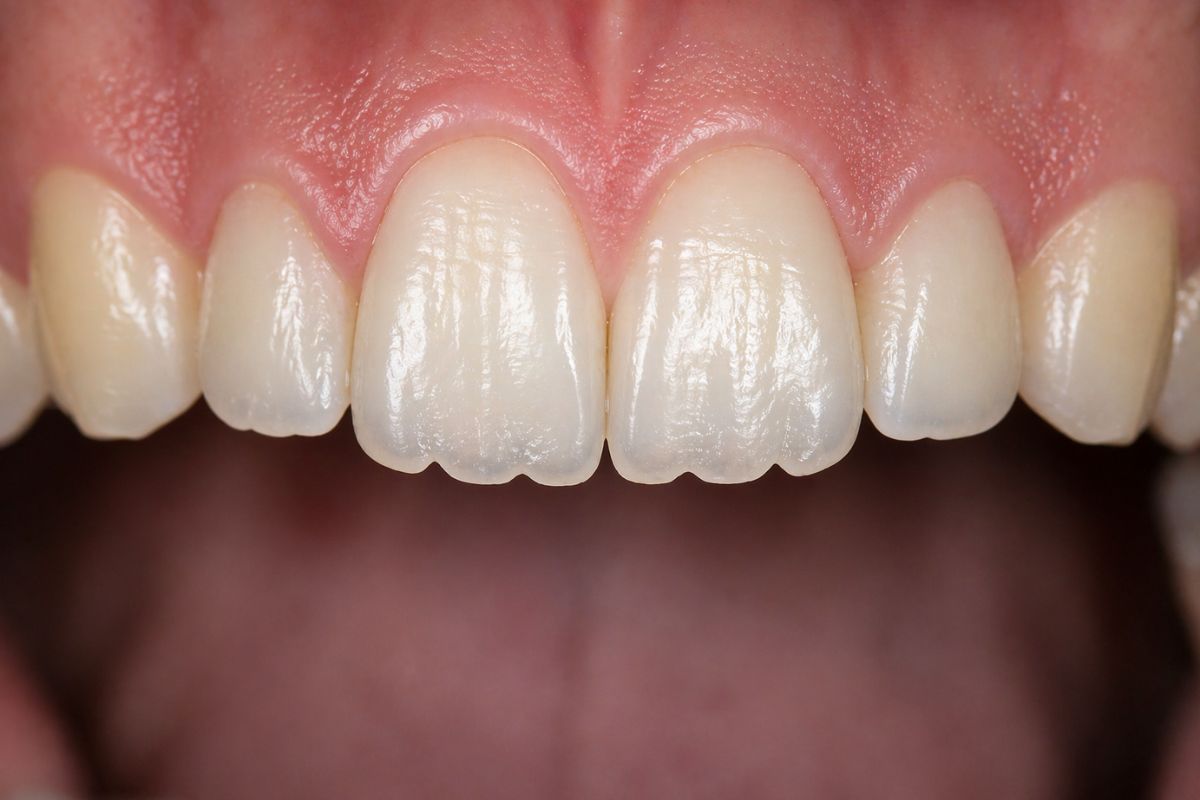
Have you ever taken a closer look at your front teeth and noticed small ridges or uneven edges along the tips? It is a common observation that many adults find themselves wondering whether something might be wrong with their smile.
These tiny bumps are known as mamelons. They are a normal part of how teeth develop. Mamelons usually appear on newly erupted permanent teeth and often wear down over time. While they are more noticeable in children, some adults continue to have them.
Knowing why mamelons form and what they indicate about your oral health can help you feel more at ease with your smile. It also makes it easier to decide when to seek professional guidance for the right dental care approach.
What Are Mamelons and Why Do They Exist?
Mamelons are the three small, rounded bumps you often see on the edges of newly erupted permanent front teeth. They are most noticeable on the upper and lower incisors. These ridges form as part of the natural development of teeth and usually appear when permanent teeth first come in during childhood.
In most cases, mamelons wear down over time. Everyday activities like chewing, biting, and even grinding your teeth naturally smooth out these ridges. By the time most people reach adulthood, mamelons are no longer visible.
However, not everyone follows the same pattern.
Why Do Some Adults Still Have Mamelons?
If you still see mamelons as an adult, it does not mean something is wrong. It usually comes down to how your teeth come together when you bite.
Here are a few common reasons why mamelons may remain:
Limited tooth contact
If your upper and lower front teeth do not touch properly, the mamelons do not experience enough friction to wear down.
Misalignment issues
Crowded or uneven teeth can prevent natural wear. When teeth are not aligned correctly, some surfaces never make contact.
Soft diet habits
Modern diets often consist of softer foods that require less chewing. Less pressure means less natural smoothing of the tooth edges.
Genetics
Some people simply have enamel that wears more slowly than others.
Should You Be Concerned About Mamelons?
In most cases, there is no need to worry. Mamelons are a natural feature of tooth anatomy. However, they can sometimes signal underlying bite or alignment issues.
If you notice any of the following, it may be worth taking a closer look:
- Your front teeth do not touch when you bite down
- You experience uneven wear on other teeth
- You feel discomfort when chewing
- Your teeth appear crowded or misaligned
This is where it becomes helpful to consult an experienced dentist who can evaluate your bite and determine if any adjustments are needed. Sometimes, what looks like a minor cosmetic detail can reveal a bigger picture about how your teeth function together.
Treatment Options for Smoothing Mamelons
If mamelons bother you aesthetically, there are safe and simple ways to address them. Dental treatments are usually quick and painless.
Enamel contouring
This is the most common solution. A dentist gently reshapes the edges of your teeth to create a smooth, even appearance. The procedure is conservative and does not harm your enamel when done correctly.
Orthodontic treatment
If the mamelons are caused by alignment issues, straightening your teeth may help create natural contact and wear over time.
Bonding procedures
In some cases, dentists may use tooth colored material to reshape or enhance the edges for a more uniform look.
It is important to remember that any cosmetic procedure should be approached carefully. Your natural tooth structure is valuable, and preserving it should always be a priority.
How to Decide What Is Right for You
Every smile is different. Some people embrace the unique look of mamelons, while others prefer a smoother, more polished appearance.
The right choice depends on your goals:
- If you are comfortable with how your teeth look and function, there is no need for treatment
- If you feel self-conscious about your smile, cosmetic options are available
- If you suspect alignment or bite issues, a professional evaluation can provide clarity
The key is to make an informed decision based on both appearance and long-term oral health.
Ready to Improve Your Smile?
Mamelons are a natural part of tooth development, and for many people, they fade away over time. If they persist into adulthood, it is usually due to the way your teeth align and function. While they are not harmful, they can sometimes point to underlying bite issues or simply become a cosmetic concern.
At Spring View Dental, we are committed to monitoring your tooth alignment and providing personalized cosmetic dental treatments to enhance both the function and appearance of your smile.
Visit our dental office in South Elgin for customized care tailored to your unique dental needs.
FAQs About Mamelons on Adult Teeth
1. Are mamelons normal in adults?
Yes, mamelons can still appear in adults, although they are more common in children. Their presence usually depends on how your teeth align and come into contact when you bite.
2. Do mamelons mean my teeth are unhealthy?
No, mamelons do not indicate poor dental health. They are a natural part of tooth structure and are typically harmless unless linked to alignment issues.
3. Can brushing remove mamelons?
No, brushing cannot remove mamelons. They require physical wear from tooth contact or professional reshaping if you want them smoothed out.
4. Is enamel contouring safe?
Yes, enamel contouring is a safe and common cosmetic procedure when performed by a qualified dentist. It involves minimal reshaping and does not damage the tooth.
5. Do mamelons go away with age?
They often wear down during childhood and teenage years. In adults, they may persist if there is not enough natural contact between teeth.
6. Should I fix mamelons for cosmetic reasons?
That depends on your personal preference. If they bother you, cosmetic treatments can help. If not, there is no medical need to remove them.
7. Can orthodontic treatment help with mamelons?
Yes, orthodontic treatment can improve alignment, which may allow natural wear to occur over time or enhance overall appearance.