Root canal therapy has always played a vital role in preserving teeth damaged by decay or infection. Once notorious for discomfort, today’s modern techniques have made the procedure virtually painless, quick, and highly effective. At Spring View Dental, we stay current with the latest innovations to ensure our patients receive the highest quality care. Let’s explore the key advancements in root canal therapy that every patient should be aware of.
Understanding Root Canal Treatments
What is a Root Canal?
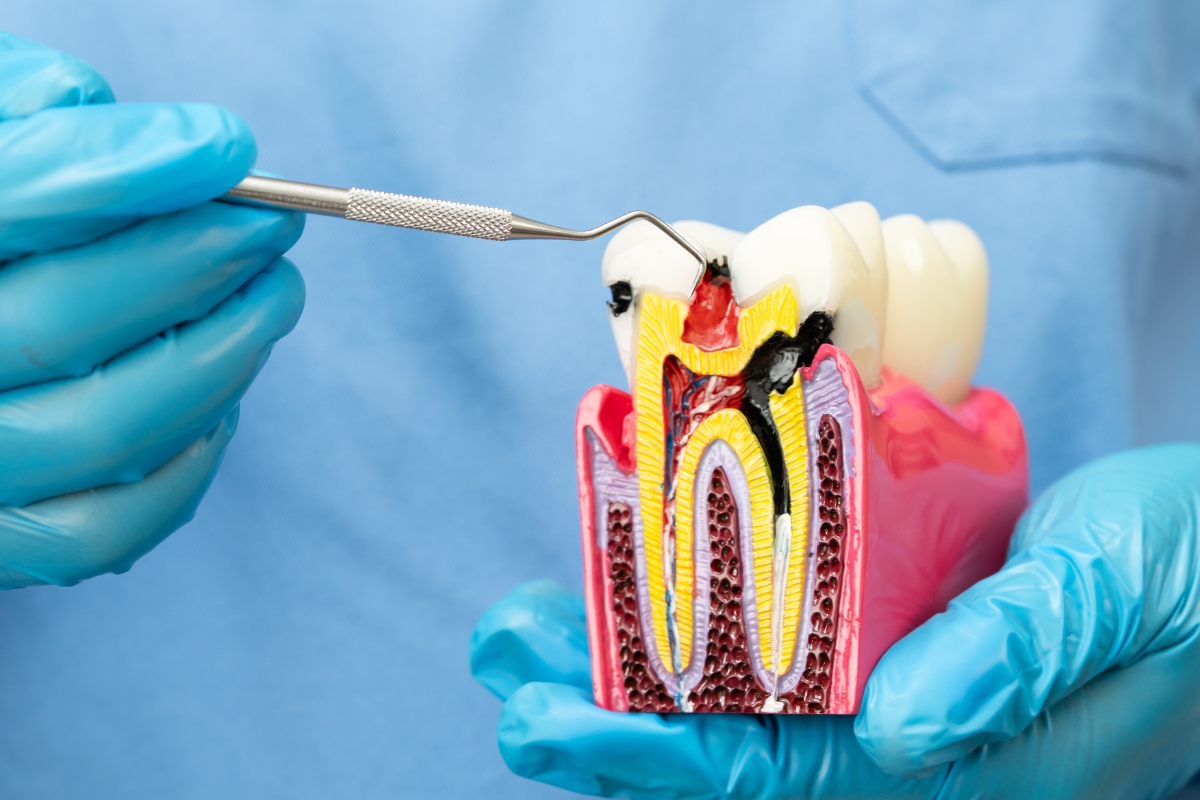
A root canal is a dental procedure that removes infected or damaged pulp from the center of a tooth. This treatment helps eliminate pain, prevent infection, and preserve the natural tooth structure. Many patients associate root canals with discomfort, but modern methods have made the process virtually painless and highly effective.
Common Reasons for Root Canal Therapy
Root canal therapy is often necessary when a tooth is severely decayed, cracked, or infected. Common signs that a procedure may be needed include persistent toothache, sensitivity to hot and cold, discoloration of the tooth, and swelling around the gums. For a safe and effective solution, visiting a dentist in South Elgin can help determine the right treatment plan.
Advancements in Pain-Free Root Canal Procedures
Local Anesthesia and Sedation Options
Modern dentistry ensures patient comfort through local anesthesia and sedation options. These measures numb the treatment area and reduce anxiety, allowing patients to relax during the procedure.
Digital Imaging and 3D Technology for Precision
Advanced digital imaging and 3D technology allow dentists to view the tooth’s structure in detail. This precision ensures that the root canal is thorough, reducing the risk of complications and improving treatment outcomes.
Laser-Assisted Root Canal Treatments
Laser-assisted techniques are becoming increasingly popular for root canal procedures. Lasers can sterilize the canal, remove damaged tissue efficiently, and minimize discomfort, making the procedure faster and more comfortable.
Step-by-Step Guide to a Modern Root Canal
Initial Consultation and Diagnosis
The process begins with a thorough dental exam and diagnostic imaging. Your dentist will assess the tooth’s condition and determine if root canal therapy is the best option.
Cleaning and Shaping the Root Canals
Once the procedure begins, the dentist cleans out the infected pulp and shapes the canals to prepare them for sealing. This step eliminates bacteria and prevents future infection.
Sealing and Restoring the Tooth
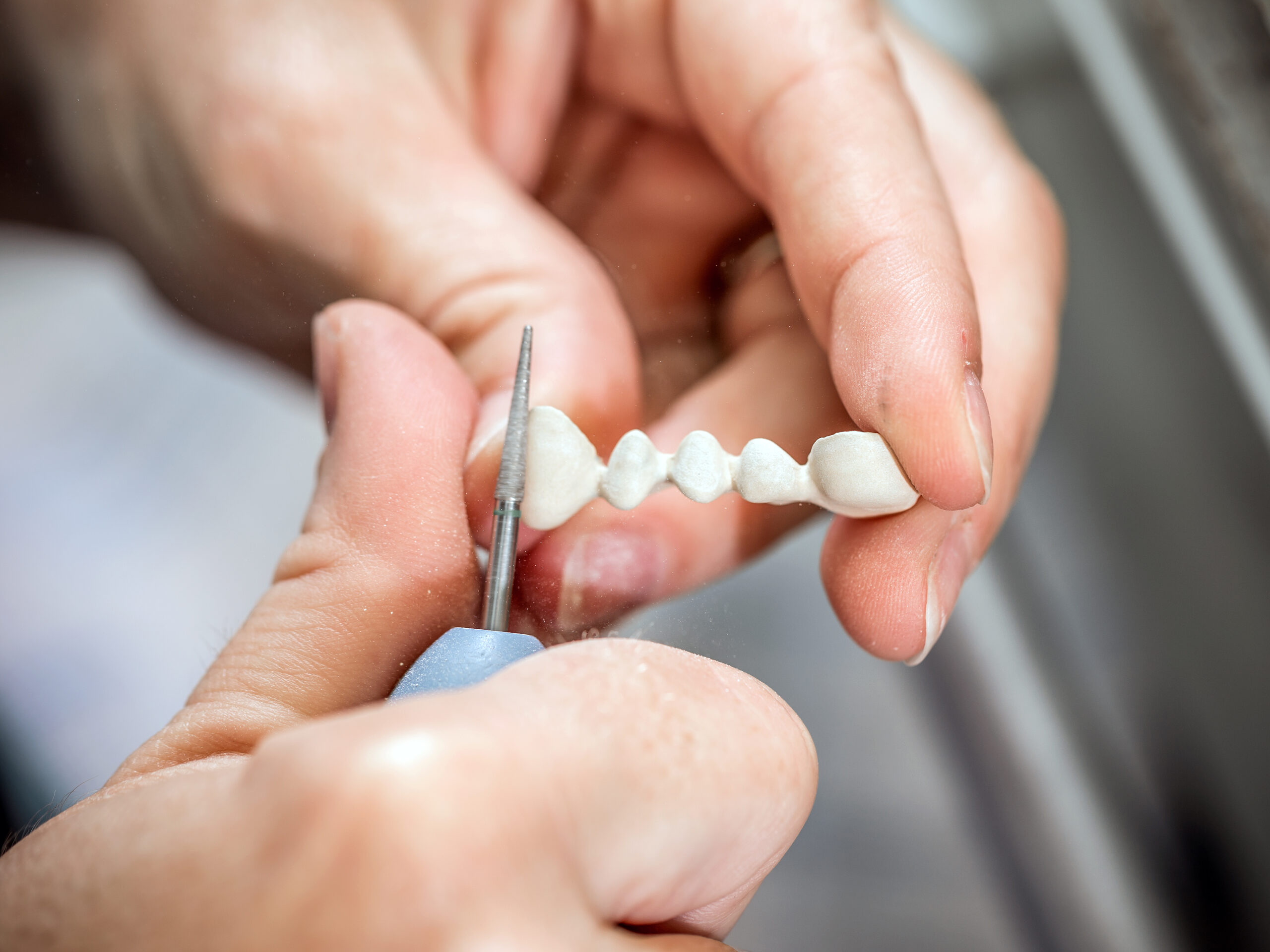
After cleaning, the canals are sealed with a biocompatible material to protect the tooth. A crown or filling is then placed to restore strength and function, allowing the tooth to continue performing naturally. This modern approach ensures that patients experience minimal discomfort while preserving their natural teeth.
Benefits of Pain-Free Root Canal Therapy
Preservation of Natural Teeth
One of the greatest advantages of root canal therapy is saving your natural teeth. Unlike extractions, this treatment allows you to maintain your bite, smile, and oral structure.
Reduced Pain and Recovery Time
With local anesthesia, sedation, and modern techniques, root canal procedures are virtually painless. Most patients experience minimal discomfort during recovery, which promotes faster healing.
Improved Oral Health and Function
Removing infection and sealing the tooth prevents further dental issues. Patients benefit from restored chewing function, improved oral hygiene, and a healthier smile overall.
Aftercare and Maintenance Tips
Managing Discomfort and Swelling
Mild pain or swelling is normal after a root canal. Over-the-counter pain relievers, ice packs, and following your dentist’s recommendations can help manage these symptoms effectively.
Maintaining Oral Hygiene Post-Treatment
After your root canal, it’s important to brush twice daily, floss carefully, and attend follow-up visits with your dentist in South Elgin. Proper care ensures the longevity of your treated tooth.
Is a Root Canal Right for You?
Root canals are suitable for anyone experiencing deep decay, severe tooth pain, or infection. Early consultation with an expert dentist can prevent further complications and maintain oral health.
Final Thoughts
Modern root canal treatments combine precision, comfort, and effectiveness. If you are dealing with tooth pain or decay, a consultation with Spring View Dental in South Elgin, IL, can help save your natural teeth while ensuring a pain-free experience. Scheduling a root canal in South Elgin today is an investment in your long-term oral health.
FAQs About Root Canal Therapy
- Does a root canal hurt?
Modern procedures are virtually painless due to anesthesia and sedation. - How long does a root canal take?
Most treatments take 60–90 minutes, depending on complexity. - Can a root canal save a tooth?
Yes, it preserves the natural tooth and prevents extraction. - Is a crown always needed after a root canal?
A crown is recommended for strength, especially for back teeth. - How long does recovery take?
Most patients recover in a few days with minimal discomfort. - Can a root canal get infected again?
Rarely, but proper oral hygiene and follow-ups reduce this risk. - When should I see a dentist for a root canal?
If you experience persistent tooth pain, sensitivity, or swelling, consult a dentist immediately.